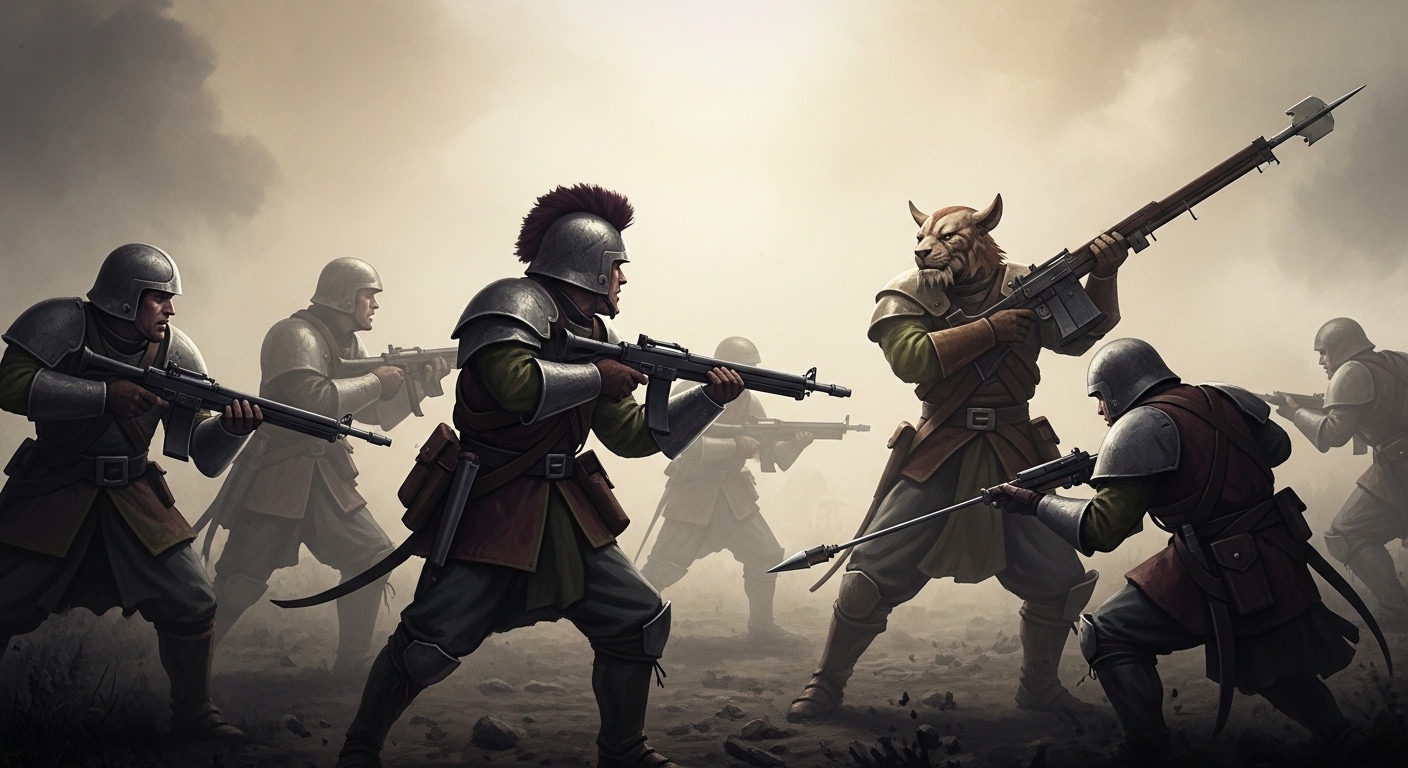
Understanding the World Map
The World Map in Elvenar represents your gateway to expansion, resources, and progression. Unlike the static city grid where you build and upgrade, the World Map is a dynamic, ever-expanding territory filled with provinces waiting to be discovered, conquered, and exploited. Each province you scout and complete provides Knowledge Points, relics, essential resources, and most critically—city expansions that provide the space necessary for your growing empire
.
The map is organized in concentric rings around your starting city, with province difficulty and rewards increasing as you push outward. Your relationship with this map determines your economic strength, military capabilities, and ultimately your success in Elvenar. Mastering map exploration separates thriving cities from stagnant ones.
The Scouting Mechanic: Time and Strategy
Scouting Fundamentals
Scouting is the process of sending your scout to investigate an adjacent province, revealing its contents, difficulty, and rewards. This process takes time—initially just minutes, but eventually stretching to days in later chapters. The scout time increases based on two factors: the distance from your city (ring number) and your current chapter
.
Critically, you can only scout one province at a time. This limitation creates strategic bottlenecks, particularly during events requiring multiple scouted provinces or when approaching chapter ends with province completion requirements. The community has long requested multiple scouting capability or reduced scout times, but developers have maintained this as a pacing mechanism
.
The Scout’s Tavern
Available in later chapters, the Scout’s Tavern reduces scouting time by up to 65%. This building becomes essential for maintaining reasonable progression speed as scout times extend into multiple days. However, reaching the point where you can build this structure requires substantial prior scouting, creating a catch-22 that frustrates many players
.
Province Difficulty: The Color-Coded System
Provinces display difficulty ratings through a color-coded system that directly impacts both fighting and negotiating costs:
- Very Easy (Green): Minimal enemy squad size or negotiation costs
- Easy (Light Green): Slightly elevated but manageable
- Medium (Yellow): Noticeable difficulty increase
- Hard (Orange): Significant resource investment required
- Very Hard (Red): Extreme costs, often requiring specialized strategies
Difficulty Determinants
Province difficulty depends primarily on two factors: the number of provinces you’ve already scouted (your “scout count”) and your Squad Size Upgrades researched. The more provinces you’ve scouted, the harder new provinces become. Additionally, each Squad Size Upgrade you research increases enemy strength in all unscouted provinces
.
This creates a strategic tension: scouting more provinces provides expansions and rewards but makes future provinces harder. Meanwhile, Squad Size Upgrades help you complete existing provinces but increase difficulty for new ones.
The Overscouting Debate: Community Strategies
The Elvenar community maintains active debate about optimal scouting strategy, with two primary philosophies:
Minimal Scouting Approach
This conservative strategy advocates scouting only the provinces required for chapter advancement plus a small buffer for events (typically 4-6 extra provinces). Proponents argue this keeps provinces at “Very Easy” or “Easy” difficulty, minimizing resource expenditure per province and maintaining sustainable progression
.
The minimal approach requires disciplined patience. You must resist the temptation to scout for immediate expansion space, instead optimizing your existing city layout. This strategy works best for players who enjoy city planning efficiency and prefer manageable, predictable costs
.
Aggressive Scouting Approach
The opposing philosophy encourages continuous scouting regardless of immediate needs. Advocates point to several advantages: more expansions for building space, increased trading partners, Knowledge Point generation from the Tome of Secrets Ancient Wonder (which provides supplies based on scouting activity), and preparation for future chapter requirements
.
Aggressive scouts note that later chapters require massive province counts—entering Chapter 15 requires 40 more provinces than Chapter 14. If you haven’t scouted ahead, you may wait longer for scouts than it takes to complete the chapter itself. Additionally, they argue that “Very Hard” provinces negotiate the same as “Easy” ones; the difficulty rating only affects fighting
.
The Consensus Balance
Most experienced players recommend a middle path: scout ahead moderately while monitoring difficulty colors. Keep provinces at “Medium” difficulty or below through Chapter 10, then relax restrictions as your city strength grows. Maintain a buffer of 4-12 scouted-but-incomplete provinces for event quests, but avoid reaching “Very Hard” status unless prepared for the resource investment
.
Combat vs. Negotiation: Choosing Your Path
Each province encounter offers two resolution methods: fighting or negotiating. Understanding when to use each approach maximizes efficiency and resource preservation.
Fighting Advantages
- No goods consumption—only troop losses
- Scales with your military infrastructure
- Tournament and Spire training translates directly to map progress
- Ancient Wonders can significantly boost military effectiveness
- Faster completion for active players
Negotiation Advantages
- No troop losses—preserves army for tournaments
- Predictable costs visible before committing
- Scales with your goods production, not military
- Required for certain event quests
- Often faster for casual players who check infrequently
The Hybrid Approach
Optimal play typically involves both methods. Fight provinces where you have type advantages and terrain benefits; negotiate where enemy composition would cause heavy losses or where goods are plentiful. Many players fight early provinces in a scouting push (when they’re Easy), then negotiate later ones as difficulty increases
.
Province Completion Strategy
The 7-Encounter Technique
A sophisticated strategy involves completing only 7 of 8 encounters in scouted provinces until necessary for chapter advancement. This keeps provinces “incomplete” for event quests that require completed provinces, while still allowing you to claim most rewards. When you finally need the province count for chapter progression, complete the final encounters en masse
.
Rune Shard Optimization
Ancient Wonders require rune shards for construction, obtained primarily from province completion. By leaving provinces incomplete until you’ve unlocked new chapter wonders, you can direct rune shards toward wonders you actually want to build rather than random earlier options
.
Expansion Management
Province expansions increase your city grid, but they also increase tournament and Spire difficulty if placed immediately. Advanced players often hold expansions unplaced until necessary, preventing difficulty spikes while maintaining the option for rapid expansion when needed
.
Advanced Scouting Tactics
The Advanced Scouts Research
Each chapter contains “Advanced Scouts” technology that reduces scouting costs, negotiation costs, and fighting difficulty for provinces within that chapter. The research description shows two numbers: provinces required and provinces recommended. Staying under the second number maintains easier difficulties
.
Strategic players scout only to the second number before researching Advanced Scouts, then use the cost reduction to push further. This timing maximizes the technology’s benefit
.
Squad Size Upgrade Timing
Since Squad Size Upgrades increase enemy strength in unscouted provinces, optimal timing involves scouting all needed provinces before researching these upgrades. This “locks in” easier difficulties for your current chapter while still allowing military growth for completing them
.
Event Quest Preparation
Many event quests require completing encounters or gaining relics from the World Map. Maintaining 4-12 scouted-but-incomplete provinces ensures you can fulfill these quests immediately without waiting for lengthy scout times. This preparation becomes essential for players pursuing event completion
.
Ring Strategy and Province Types
The World Map organizes provinces into rings of increasing distance from your city. Each ring contains specific province types with distinct characteristics:
Inner Rings (1-5): Lower costs, faster scouts, basic rewards. Essential for early expansion but quickly exhausted.
Middle Rings (6-15): Moderate difficulty, substantial rewards, primary hunting ground for most of the game.
Outer Rings (16+): Extended scout times, high costs, but necessary for late-game chapter requirements
.
Province types within rings include:
- Standard Provinces: Basic encounters with balanced rewards
- Ruins: Often contain Ancient Wonder runes
- Cities: Higher difficulty but better rewards
- Special Territories: Unique mechanics and requirements
The Trading Network Benefit
Scouting expands your visible trading network. Each scouted province reveals neighboring players and fellowships, expanding your potential trade partners. More trading partners means better trade rates and faster resource acquisition, particularly for goods you don’t produce efficiently
.
Players in isolated map regions suffer trade disadvantages, waiting longer for trades to complete or accepting worse exchange rates. Active scouting ensures robust market access.
Common Map Mistakes
Overscouting Without Preparation
Reaching “Very Hard” provinces before developing adequate military or goods production creates progression bottlenecks. The resources required to complete these provinces may exceed your generation capacity, forcing extended waits
.
Ignoring Scout Times
Failing to maintain continuous scouting wastes time. Your scout should always be active; idle scouts represent lost progress. Queue scouting before sleep or work to maximize efficiency
.
Completing Provinces Immediately
Finishing all encounters in scouted provinces removes flexibility for event quests and rune shard targeting. The 7-encounter technique preserves options
.
Neglecting Expansion Placement
Placing expansions immediately upon receipt increases tournament and Spire difficulty. Hold expansions until needed for specific building projects
.
Conclusion: Map Mastery as Strategy
The World Map in Elvenar is not merely a progression gate—it’s a strategic resource to be managed with the same care as your city layout or economic production. Optimal play requires balancing immediate needs against future requirements, managing difficulty curves, and maintaining flexibility for changing circumstances.
Leave a Reply