Tag: #buildyourcity #virtualcity #empiregame #citystrategy #worldbuilder #kingdomlife

  • The Complete Elvenar Barracks Guide: Mastering Military Production and Troop Training

    The Complete Elvenar Barracks Guide: Mastering Military Production and Troop Training

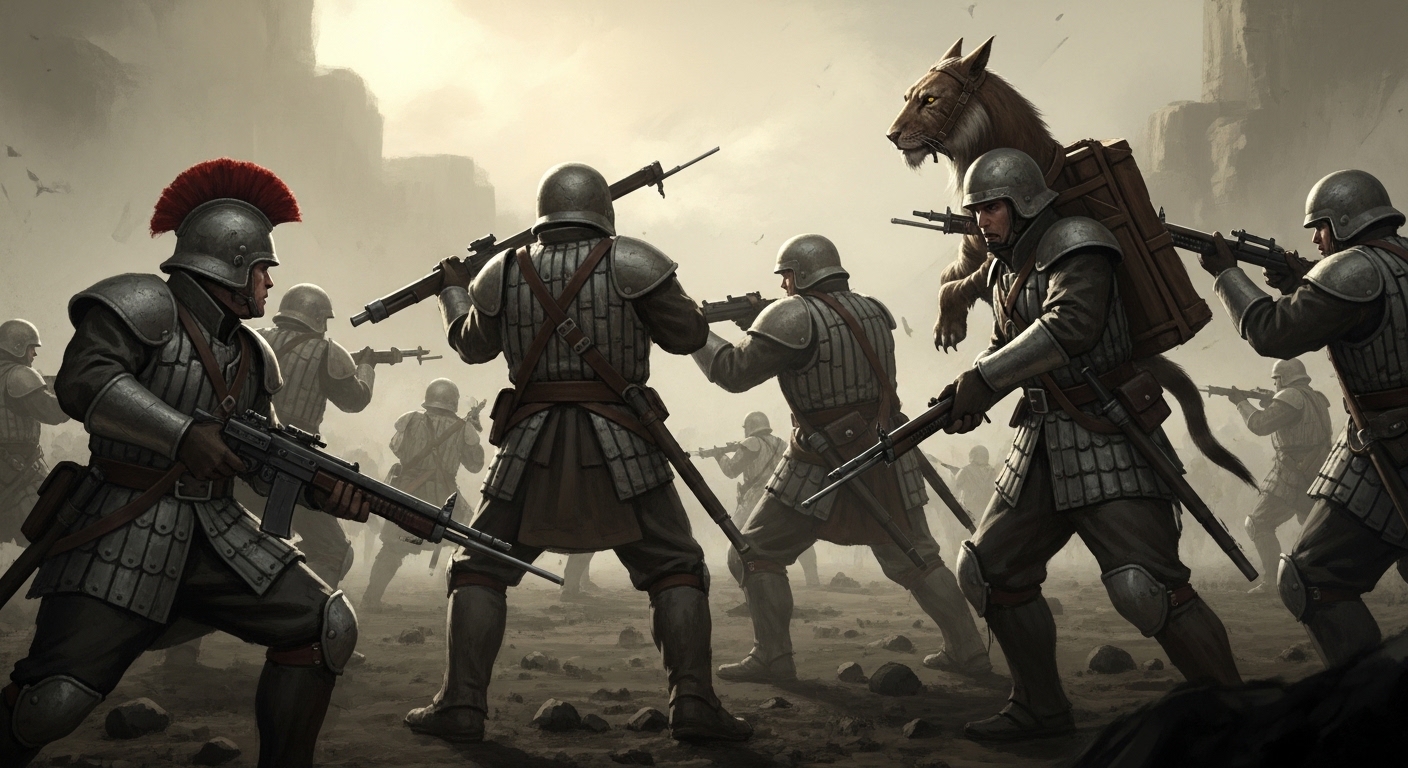
    Military might in Elvenar flows from three distinct training facilities, each producing specialized units that dominate different battlefield scenarios. Understanding how to optimize your Barracks, Training Grounds, and Mercenary Camp transforms struggling armies into unstoppable forces capable of conquering tournaments, spires, and world map provinces. This comprehensive guide explores every aspect of military production to accelerate your city’s martial development.

    Understanding the Three Military Buildings

    Elvenar features a trio of training facilities that unlock progressively through research, each serving distinct strategic purposes

    .

    The Barracks represents your foundational military structure, available immediately after completing initial research. It produces “generalist” troops—the basic Light Melee, Light Ranged, Heavy Melee, and Mage units that form your army’s backbone

    . These units offer balanced performance across various situations without excelling in specific matchups.

    The Training Grounds unlocks in Chapter 2 alongside your first specialized unit, the Cerberus

    . This facility produces specialized troops including Cerberus, Dryad, Banshee, Orc Warrior, and Orc Strategist—units designed for specific tactical roles rather than general combat

    .

    The Mercenary Camp becomes available later, offering the game’s most powerful specialized units. For Elves, this means Rangers (superior Light Ranged), Blossom Mages (elite magical units), and Valorian Guards (enhanced Heavy Melee). Humans gain access to Frog Princes (devastating Heavy Ranged) and other premium troops

    .

    Each building operates independently with separate training queues, meaning you can simultaneously produce nine different unit types across three facilities. Neglecting any single building reduces your total army production by 33%, creating significant long-term disadvantages

    .

    Barracks Mechanics and Optimization

    Your Barracks serves as the primary training facility throughout early chapters, with upgrade paths extending through 42+ levels

    . Each upgrade reduces training time and potentially increases available training slots, allowing more simultaneous production queues.

    Training Slots represent your production capacity. The Barracks starts with limited slots and gains additional ones as you upgrade, eventually supporting up to 5 simultaneous training queues

    . These slots operate independently—when one finishes training, the next begins automatically, creating continuous production chains.

    Training Size determines how many units fit in each slot. The base training size of 6 means each slot accommodates units totaling weight 6—six Axe Barbarians (weight 1 each) or one Paladin (weight 6)

    . This weight system creates important production considerations: light units train in bulk while heavy units consume entire slots for single squads.

    Armories expand your training capacity beyond base limits. Each Armory increases the training size of slots across all military buildings, allowing more units per training cycle

    . Strategic Armory placement and upgrades dramatically accelerate army replenishment rates.

    From Chapter XXI – The Vallorian Legend onward, Barracks contribute to Prosperity generation—a special requirement for constructing certain chapter buildings

    . This adds economic value to military infrastructure, making Barracks upgrades valuable even for primarily peaceful players.

    Training Speed vs. Training Size: The Critical Balance

    Two distinct mechanics govern troop production efficiency, and understanding their interaction separates expert commanders from novices.

    Training Speed determines how quickly units complete training. Higher speed means faster replenishment and shorter queue times. The Needles of the Tempest Ancient Wonder specifically accelerates Barracks training by up to 40%, while Victory Springs (Training Grounds) and Flying Academy (Mercenary Camp) provide similar benefits for their respective facilities

    .

    Training Size determines how many units you receive per completed training slot. Larger training size means more troops per collection but longer individual training times. The Shrine of Shrewdy Shrooms and Dwarven Bulwark Ancient Wonders increase training size significantly

    .

    The optimal balance depends on your play schedule. Players checking frequently benefit from high speed and moderate size, enabling multiple daily collections. Players with limited access prefer massive training sizes that sustain overnight production without constant reloading

    .

    Expert players aim for 10-15 hour total queue times across all slots—long enough to sustain overnight production but short enough to prevent idle time during active play

    . Achieving this requires careful coordination between building upgrades, Ancient Wonder levels, and Armory counts.

    Unit Specialization and Strategic Deployment

    Each military building produces units optimized for specific tactical roles, and understanding these specializations enables battlefield dominance.

    Barracks Units serve as generalists. Human Priests (Mages) and Paladins (Heavy Melee) rank among the best barracks troops, with Priests considered the premier mage unit throughout the game

    . Elven Treants and Golems provide solid Heavy Melee options, though they generally underperform Human equivalents

    .

    Training Grounds Units fill tactical niches. Cerberus (Light Melee) excel against mages but suffer from low initiative. Orc Strategists (Heavy Ranged) outperform standard Mortars significantly, making them essential for Human players

    . Dryads and Banshees provide specialized magical support, though their fragility limits general utility

    .

    Mercenary Camp Units dominate competitive play. Rangers (Light Ranged) offer superior range, initiative, and counterattack capabilities compared to standard Archers

    . Blossom Mages (Elves) provide the best magical offense available, while Frog Princes (Humans) deliver devastating Heavy Ranged damage

    . Valorian Guards give Elves competitive Heavy Melee options despite general racial disadvantages in that category

    .

    The strategic implication is clear: Mercenary Camp units should comprise your primary fighting force whenever possible, with Barracks and Training Grounds troops filling gaps or providing specific counter-matchups

    .

    Race-Specific Considerations

    Human and Elven military structures produce different units with distinct tactical implications.

    Human Advantages: Human Barracks units generally outperform Elven equivalents, particularly Priests (superior mages) and Paladins (better Heavy Melee)

    . Human players can delay Mercenary Camp construction longer than Elves, as their Barracks troops remain competitive through mid-game

    .

    Elven Advantages: Elven Mercenary Camp access becomes critical earlier. Blossom Mages immediately outclass Sorceresses, and Rangers dominate Light Ranged combat

    . Elven players should prioritize Mercenary Camp construction as soon as available, even sacrificing Training Grounds temporarily if space-constrained

    .

    Both races benefit from maintaining all three military buildings eventually. The “build only Barracks” strategy severely limits tactical flexibility and total production capacity, hobbling tournament and spire performance

    .

    Ancient Wonders and Military Optimization

    Several Ancient Wonders dramatically impact military production and effectiveness:

    Needles of the Tempest: Essential for any fighting city, this wonder accelerates Barracks training while boosting Light Range unit damage

    . Prioritize early construction and steady upgrades.

    Flying Academy: The Mercenary Camp equivalent, reducing training time while enhancing Light Melee damage. Critical for Elven players relying on Blossom Mages and Rangers

    .

    Victory Springs: Training Grounds acceleration with Heavy Melee damage bonuses. Less universally essential but valuable for specific tournament types

    .

    Simia Sapiens: Considered the best overall military wonder, providing massive training speed increases across all facilities

    . Late-game acquisition but transformative impact.

    Shrine of Shrewdy Shrooms: Increases training size while producing Archer units. Synergizes with heavy Armory strategies

    .

    Dwarven Bulwark: Alternative training size booster using squad size rather than Armory levels. Often superior for players with limited Armory investments

    .

    Martial Monastery/Sanctuary: Increases troop health, reducing battlefield losses and effectively amplifying your total army size through better survival rates

    .

    Advanced Training Techniques

    Queue Management: Maintain continuous production by queuing multiple training slots before collection. When the first slot finishes, immediately add another to prevent idle time

    . Set phone timers for Barracks completion when running extended queues

    .

    Brown Bear Exploitation: The Brown Bear pet doubles troop collection when fed, effectively providing 5-10 bonus squads per activation

    . Coordinate feeding with time booster usage—activate the bear, collect massive troop reserves, then use time instants to replenish training queues before the buff expires

    .

    Time Booster Optimization: Save 5-hour and 2-hour time instants for intensive military pushes. Apply them to Mercenary Camp or Training Grounds specifically when you need specialized troops for upcoming tournaments

    .

    Temporary Armory Deployment: Place temporary Armories before heavy tournament weeks to boost Shrine of Shrewdy Shrooms effectiveness, then remove them afterward to reclaim space

    .

    Supply Management and Sustainability

    Training troops consumes enormous Supplies, creating economic constraints that limit military development. A city running three military buildings 24/7 requires 8+ fully upgraded Workshops or equivalent supply generation from Ancient Wonders and event buildings

    .

    Supply optimization strategies:

    • Prioritize Workshop upgrades alongside military buildings
    • Construct Endless Excavation and Tome of Secrets Ancient Wonders for passive supply generation
    • Utilize Prosperity Towers if available in your chapter
    • Balance troop production with economic capacity—running all three buildings continuously wastes resources if you cannot sustain the supply drain

    Common Military Mistakes

    Building Only Barracks: This cripples your tactical options and reduces total production by 66%. All three buildings are essential for competitive play

    .

    Ignoring Training Grounds: Modern updates made Training Grounds viable, especially for Orc Strategist and Cerberus production. Dismissing this building reflects outdated thinking

    .

    Neglecting Ancient Wonders: Military wonders provide multiplicative benefits that compound over time. Delaying Needles of the Tempest or Flying Academy construction creates permanent disadvantages.

    Over-Specializing: While Mercenary Camp troops are generally superior, situations exist where Barracks or Training Grounds units excel. Maintaining diverse reserves enables optimal tactical responses.

    Poor Queue Management: Allowing training slots to sit idle wastes potential production. Check military buildings at least twice daily to maintain continuous queues.

    Conclusion: The Path to Military Mastery

    Barracks mastery in Elvenar requires understanding that military power flows from three distinct sources, each requiring investment and optimization. Your Barracks provides foundational generalists, the Training Grounds offers tactical specialists, and the Mercenary Camp delivers elite units that dominate competitive content.

    Success demands balancing training speed and size through Ancient Wonder selection, maintaining continuous production queues, and managing the supply economy that sustains your war machine. Race-specific considerations guide build priorities—Humans enjoy superior Barracks troops while Elves depend earlier on Mercenary Camp access.

    Remember that military might serves broader city goals. Tournament participation generates Knowledge Points and relics. Spire conquest yields precious artifacts and resources. World map expansion unlocks new territories and rewards. Your Barracks and supporting military infrastructure enable these achievements, transforming your city from peaceful settlement to regional superpower.
  • The Complete Elvenar Culture Buildings Guide: Mastering Happiness and City Efficiency

    The Complete Elvenar Culture Buildings Guide: Mastering Happiness and City Efficiency

    Culture represents the heartbeat of your Elvenar civilization, transforming sterile production centers into thriving communities while directly amplifying your economic output. Mastering culture building placement, selection, and optimization creates cascading benefits across every aspect of your city—from coin generation to research speed, from population happiness to competitive ranking. This comprehensive guide reveals every strategy for maximizing culture efficiency, from fundamental mechanics to advanced endgame techniques.

    Understanding Culture Fundamentals

    Culture serves dual essential functions in your city: it enables building upgrades and generates production bonuses. Every upgraded building consumes culture points, with higher tiers demanding exponentially more

    . Without adequate culture, your city stagnates regardless of other resource availability.

    The Culture Bonus system transforms excess culture into tangible economic benefits. When your available culture exceeds required amounts, remaining points generate production multipliers for coins and supplies

    . This bonus operates in distinct tiers: Level 1 boosts production to 125%, Level 2 reaches 150%, Level 3 hits 160%, and Level 4 achieves 170%

    . These aren’t gradual increases but threshold-based jumps—crossing each threshold instantly activates the corresponding bonus

    .

    Critically, the maximum sustainable bonus without external assistance is 170%. Reaching the theoretical 200% cap requires Neighborly Help—visits from fellowship members and neighbors who “polish” your cultural buildings, temporarily boosting their culture output

    . Additionally, Ensorcelled Endowment spells add 5% per enchanted building (maximum 5 buildings), but only function when those buildings receive Neighborly Help

    .

    The precise calculation for culture bonus thresholds follows a specific formula: for 125% bonus, you need available culture equal to 20% of (working population + required culture); for 150%, it’s 40%; for 160%, it’s 60%; and for 170%, it’s 80%

    . Understanding this formula allows precise planning of your cultural infrastructure needs.

    Strategy 1: The No-Road Revolution

    The single most important culture building mechanic separates novice from expert city planners: culture buildings require no road connection

    . Unlike residences, workshops, and manufactories that demand street access, cultural structures function completely disconnected from your road network.

    Border Optimization: Place all cultural buildings along your city perimeter, completely isolated from roads

    . This preserves central space for production buildings that actually require infrastructure, effectively expanding your functional city area by 15-20%. A 3×3 manufactory consumes 9 squares plus road access; a 3×3 culture building uses only 9 squares total .

    Filler Strategy: Small 1×1 and 1×2 culture buildings excel at filling “dead” spaces—road ends, gaps between larger structures, and edge irregularities

    . The 2×1 Nature’s Blessing provides 100 culture, outperforming two Luxury Street squares (60 culture) while occupying identical space

    . Systematically identify these micro-opportunities and populate them with diminutive cultural structures.

    Visual vs. Functional Trade-offs: While disconnected border placement may appear aesthetically awkward

    , the spatial efficiency gains are undeniable. Prioritize function over form during competitive growth phases; reorganize for visual harmony once your economy stabilizes.

    Strategy 2: Road Culture Maximization

    Since roads are mandatory infrastructure, extracting maximum culture value from them optimizes unavoidable space consumption. Advanced road types provide substantial culture points that compound across your entire network

    .

    Immediate Upgrade Policy: Upon researching improved street types, upgrade your entire road network immediately

    . Luxury Streets provide 30 culture per square—across 130 squares, this generates 3,900 culture, potentially 40% of your required total

    . Delaying upgrades wastes daily production potential that compounds over weeks.

    Road-Residence Interface: Buildings only require connection to a single road square

    . Orient rectangular structures with their shorter dimension against roads, minimizing road contact while maintaining functionality. A 3×3 residence touching the road on only one square preserves surrounding space for culture buildings or additional structures

    .

    Surplus Road Preservation: During city reorganization, relocate rather than sell excess road segments

    . Store unused luxury streets in peripheral spaces for future expansion rather than recovering minimal coin value. This preserves your investment in high-culture infrastructure.

    Strategy 3: Building Selection and Replacement by Chapter

    Cultural buildings cannot be upgraded but can be sold for partial resource recovery

    . This creates a dynamic replacement cycle as you advance through chapters, with each guest race introducing themed structures with unique aesthetics and values

    .

    Early Chapters (1-5): Begin with Luminous Signposts (Elves) or Glorious Statues (Humans), progressing through Purple Blossom Trees, Shrines of Enar, and Flying Boats

    . These foundation buildings provide essential culture for initial expansion but quickly become obsolete.

    Dwarven Chapter (6): Ancient Grounds, Traveller’s Rest, and Elder Dragon Oracle introduce dwarven aesthetics with improved efficiency

    . The Temple of the Holy Fire becomes available for significant culture contributions.

    Fairy Chapter (7): Baoboak Trees, Cocoon Lampions, and the Temple of Seeds offer fairy-themed alternatives

    . The Giant Snail Palace and Princess Anwen provide substantial end-of-chapter culture boosts.

    Orc Chapter (8): War Drums, Fancy Fossil Rock, and King Diabhal’s Throne shift to aggressive orcish aesthetics

    . These structures often provide superior culture-per-square ratios than earlier alternatives.

    Wood Elves (9): Weeping Willows (5×5, 4,480 culture plus mana production) become available, though their massive footprint creates spatial challenges

    . Gate of Manepica and Treants Grave offer alternatives without mana production requirements.

    Sorcerers & Dragons (10): Witch Market Stall, Chess Pieces, and Arcane Libraries provide magical theming

    . The Arcane Library particularly suits mana-independent culture needs.

    Efficiency Metrics: Evaluate buildings by culture-per-square ratios rather than absolute values. Calculate (Total Culture) ÷ (Width × Length) for direct comparison, replacing outdated structures as chapters unlock superior alternatives

    .

    Strategy 4: Hybrid Building Strategy

    Many players prefer “hybrid” culture buildings providing secondary benefits—population, goods, supplies, or military units

    . These dual-purpose structures maximize limited space, though pure culture buildings often achieve higher per-square culture density

    .

    Population-Culture Hybrids: Buildings like the Mysterious Cyclone (Elves) or Mage Tower (Humans) provide both culture and population, addressing two critical needs simultaneously. These prove particularly valuable during population-constrained expansion phases.

    Goods-Producing Culture: Festival Merchants (crafted in Magic Academy) provide culture plus divine seeds from Chapter 11 onward

    . However, upgrading through six chapters requires 72 Royal Restorations—evaluate long-term costs against immediate benefits

    .

    Military-Culture Structures: Certain event buildings provide culture alongside unit production, appealing to combat-focused players. These hybrids reduce dedicated military building requirements while maintaining happiness levels.

    Balance Consideration: While hybrids offer convenience, pure culture buildings typically achieve 20-40% higher culture-per-square efficiency

    . Dedicate space to pure culture for maximum bonus achievement, using hybrids only when specific secondary benefits address immediate deficits.

    Strategy 5: Ancient Wonder Integration

    Ancient Wonders provide culture solutions transcending standard building limitations, offering both direct bonuses and mechanic modifications.

    Direct Culture Wonders: The Martial Monastery (Elves) and Sanctuary (Humans) from Chapter 4 add substantial culture without increasing requirements

    . These wonders scale with upgrades, eventually providing thousands of culture points while occupying fixed 5×5 or 6×6 footprints. Their efficiency increases over time as standard building costs grow exponentially.

    Neighborly Help Extension: The Crystal Lighthouse (Elves) and Great Bell Spire (Humans) extend polished building duration by 12-16 hours at level 1, scaling to 40+ hours at advanced levels

    . This effectively doubles or triples Neighborly Help value, ensuring your 170% base bonus remains active longer. These wonders particularly benefit players with active fellowship participation.

    Watchtower Ruins: This wonder increases culture provided by polished buildings by 50-150% depending on level

    . Combined with Crystal Lighthouse/Great Bell Spire, this creates cascading multipliers where extended polish durations apply to enhanced culture values, dramatically reducing required building counts for bonus maintenance.

    Strategic Placement: Since Ancient Wonders require road connections and benefit from Neighborly Help, position them centrally near your Main Hall

    . Visitors’ screens load focused on the Main Hall, making nearby wonders more likely to receive polish than peripheral structures

    .

    Strategy 6: Event Building and Crafting Excellence

    Special events and Magic Academy crafting provide cultural buildings with exceptional efficiency and hybrid benefits unavailable through standard research.

    Event Building Efficiency: Event cultural buildings typically offer 2-3× the culture-per-square of chapter equivalents, often including population, goods, or mana production

    . Prioritize these during events, using Royal Restoration spells to maintain their relevance across chapter transitions.

    Evolution Building Potential: Evolving buildings from events can provide substantial culture when upgraded with artifacts. These structures often exceed standard building efficiency while offering additional benefits, making them priority targets during event participation

    .

    Spire of Eternity Rewards: Regular Spire participation yields Magic Residences and Workshops that indirectly support culture by freeing space otherwise dedicated to standard housing. This spatial liberation allows expanded cultural building placement without sacrificing population or production

    .

    Crafting Considerations: Before crafting any building, verify its production in later chapters

    . A Festival Merchant crafted in Chapter 5 requires 72 Royal Restorations to remain current through Chapter 11—potentially more expensive than waiting to craft it later

    .

    Strategy 7: Spatial Planning and City Layout

    Efficient culture integration requires holistic city planning that balances multiple competing demands.

    The Corner Anchor Strategy: Position your Main Hall in a city corner with minimal road connections, preserving central flexibility

    . As this building grows through upgrades, its increasingly awkward size can dominate layouts if centrally placed. By anchoring it peripherally, you maintain core space for cultural optimization.

    Zoning Principles: Dedicate city sectors to specific functions. Group culture buildings along borders and road ends, cluster production buildings near cultural zones for bonus maximization, and isolate military or guest race structures that don’t benefit from happiness bonuses. This zoning prevents inefficient intermixing and simplifies optimization.

    Expansion Timing: City expansions gained through research, map exploration, or premium purchase provide immediate culture growth opportunities. Prioritize filling new expansions with high-efficiency cultural structures before other building types, establishing bonus foundations that support subsequent development.

    Strategy 8: Neighborly Help Optimization

    Since 200% culture bonus requires external assistance, maximizing Neighborly Help efficiency becomes essential for competitive play.

    Visibility Engineering: Place your largest cultural buildings near the Main Hall where visitors first land

    . While some players meticulously search cities for polish targets, others click the nearest available structure. Strategic positioning ensures your highest-value buildings receive priority attention.

    Fellowship Coordination: Active fellowship membership guarantees consistent Neighborly Help through reciprocal visits. Establish daily visit routines, prioritizing members with Crystal Lighthouse/Great Bell Spire for extended bonus duration. This mutual support system maintains 200% bonuses with minimal individual space investment.

    Help-Responsive Design: Structure your city so that polished buildings provide maximum culture impact. A polished Watchtower Ruins-enhanced building generates 2-3× its base value—concentrate these high-multiplier structures where help is most likely.

    Strategy 9: Balanced Culture Economics

    While maximizing culture bonuses seems universally beneficial, sustainable city development requires balancing culture investment against other priorities.

    The 140-170% Sweet Spot: Experienced players target 140-170% base culture bonus, relying on Neighborly Help to reach the 200% cap

    . Attempting 200% independently requires excessive space investment in pure culture buildings that could otherwise support production or population. This trade-off prioritizes sustainable efficiency over maximum self-sufficiency.

    Population and Culture Interdependence: Cultural buildings require population support (workers), while residences need culture for upgrades. This symbiotic relationship demands simultaneous development—expanding culture without population growth stalls, while population without culture cannot upgrade

    . Maintain parallel advancement tracks to prevent bottlenecks.

    The Production Trade-off: Every square dedicated to culture is one removed from goods production, population housing, or military infrastructure. Over-investment in culture creates beautiful but economically hollow cities that cannot support their own advancement

    .

    Conclusion: Your Culture Mastery Path

    Mastering Elvenar culture buildings transforms city planning from reactive crisis management to proactive strategic optimization. Your path to cultural excellence involves:

    • Exploiting no-road mechanics by placing all cultural buildings on borders, freeing central space for production
    • Maximizing road culture through immediate upgrades to advanced street types
    • Selecting buildings by efficiency metrics, replacing outdated structures as chapters unlock superior alternatives
    • Investing in Ancient Wonders like Martial Monastery/Sanctuary for direct culture and Crystal Lighthouse/Great Bell Spire for help extension
    • Targeting 140-170% base bonus, using Neighborly Help to reach 200% rather than over-investing in independent capacity
    • Participating consistently in events for high-efficiency hybrid cultural buildings
    • Optimizing city layout for Neighborly Help visibility and cultural bonus coverage
    • Balancing culture investment against production, population, and military needs for sustainable growth
  • The Ultimate Elvenar Coin Farming Guide: Maximizing Your City’s Economic Engine

    The Ultimate Elvenar Coin Farming Guide: Maximizing Your City’s Economic Engine

    Coins serve as the lifeblood of your Elvenar city, fueling everything from building construction to research advancement, goods production, and world map exploration. Mastering coin generation transforms struggling settlements into economic powerhouses capable of rapid expansion and sustained growth. This comprehensive guide explores every viable strategy for maximizing your coin income, from fundamental mechanics to advanced exploitation techniques.

    Understanding Coin Fundamentals

    Coins in Elvenar flow primarily from Residences through taxation mechanics

    . Unlike Supplies that require active workshop production, coin generation happens automatically over time—provided you collect regularly before hitting storage caps. This passive generation creates both opportunities and constraints that shape effective farming strategies.

    Your coin storage capacity depends entirely on Main Hall level, creating a critical bottleneck that many beginners overlook. When your storage fills completely, residences stop producing coins entirely, wasting potential income

    . The icon appears at around 10% of the collection cycle, allowing early collection at reduced yields, but optimal efficiency requires patience and timing

    .

    The Culture Bonus system dramatically amplifies coin production. Maintaining excess culture beyond building requirements triggers bonus multipliers: 125% at level 1, 150% at level 2, 160% at level 3, and 170% at level 4

    . These percentages represent massive efficiency gains—achieving 170% culture bonus effectively adds 70% more coins from the same residential footprint. Fellowships and neighborly help become essential here, as polished cultural buildings provide temporary bonus boosts that push you into higher tiers

    .

    Residence Optimization: The Foundation of Wealth

    Residences constitute your primary coin source throughout most of the game. Strategic placement and upgrade timing multiply their effectiveness exponentially.

    Optimal residence count varies by chapter, but most successful cities maintain 6-8 upgraded residences through early and mid-game phases. Space constraints eventually force reductions, but early abundance accelerates development dramatically. Prioritize residence upgrades alongside Main Hall improvements—higher-level residences generate substantially more coins per square than lower-level alternatives

    .

    Collection timing demands attention. Residences produce coins over 24-hour cycles, but you can collect early after 3 hours at reduced amounts

    . The mathematical efficiency of waiting for full collection versus frequent partial collections depends on your play schedule. Active players checking multiple times daily maximize income through frequent collections, while casual players should set 9-hour or 24-hour cycles aligned with their login patterns.

    From Chapter XXI – The Vallorian Legend onward, residences gain the ability to produce Community Work instead of coins

    . This creates strategic choice: coins remain essential for most game functions, but Community Work converts to coins at favorable rates and contributes to Prosperity generation. Most players should default to coin production unless specific quests or resource shortages demand Community Work.

    The Golden Abyss: Your Economic Game-Changer

    The Golden Abyss Ancient Wonder revolutionizes coin farming for mid-to-late game cities. This compact structure (the smallest footprint of all wonders) generates both population and coins simultaneously, effectively replacing multiple residences while providing superior returns

    .

    At level 2, the Golden Abyss provides approximately 789 population plus 57,000 coins every 3 hours—roughly equivalent to several high-level residences in a fraction of the space

    . As you upgrade it further, these numbers scale dramatically, with max-level versions generating hundreds of thousands of coins per collection cycle.

    The Golden Abyss serves dual purposes: population generation reduces residence requirements, freeing space for cultural buildings or manufactories, while coin production exceeds what the freed space would have generated through standard residences

    . This synergy makes it arguably the best overall Ancient Wonder for economic development

    .

    Acquisition priority: Research Golden Abyss technology in Chapter 4, collect rune shards through province exploration and tournament participation, and prioritize this wonder’s construction over alternatives. The earlier you establish this income source, the more it compounds throughout your city’s development.

    Advanced Coin Generation Strategies

    The Build-and-Cancel Exploit

    A controversial but effective technique involves constructing expensive buildings specifically to cancel them for coin refunds. Building cultural or settlement structures that require massive coin investments, then immediately canceling construction, returns 50% of spent coins

    . While this wastes 50% of the invested amount, it converts other resources (supplies, goods) into coins indirectly when those resources would otherwise go unused.

    For example, a Dwarven Portal requiring 355,000 coins and 12,400 supplies returns 177,500 coins upon cancellation

    . Players with abundant supplies but coin shortages can leverage this mechanic, though it’s generally considered wasteful compared to proper economic management.

    Knowledge Point Conversion

    Excess coins find productive use purchasing Knowledge Points through the KP bar’s plus icon

    . While costs escalate with each purchase (reaching millions of coins per KP in late chapters), this conversion prevents coin waste from storage caps while accelerating research progress

    . Advanced players routinely buy 5-6 KP daily, viewing it as essential resource management rather than luxury spending

    .

    The mathematics favor this approach: coins sitting at maximum storage generate zero value, while KP advances your city permanently. Even at 1.1 million coins per KP, the long-term benefit exceeds the temporary coin deficit

    .

    Wholesaler Arbitrage

    The Wholesaler converts surplus coins into goods at variable exchange rates. While generally inefficient for standard goods, players with specific Ancient Wonder combinations (Blooming Trader Guild, Lighthouse of Good Neighbourhood, Prosperity Towers) can achieve favorable rates that replace manufactories entirely

    . High-level Blooming Trader Guild reduces wholesaler costs significantly, making this viable for specialized city builds.

    Neighborly Help and Fellowship Economics

    Elvenar’s social mechanics generate substantial coin income. Visiting neighboring players’ cities and offering Neighborly Help (polishing cultural buildings or motivating workshops/residences) rewards you with coins

    . Fellowship members provide reciprocal help, creating steady income streams independent of your own production.

    The Lighthouse of Good Neighbourhood Ancient Wonder amplifies these rewards, making neighborly visits extraordinarily profitable

    . Combined with the Crystal Lighthouse, your coin generation from social features can exceed residential production in mature cities.

    Optimization tip: Establish daily visit routines. Use the “Visiting” tab to systematically help neighbors and fellowship members, collecting coins while building relationships that ensure reciprocal aid. The time investment pays dividends in both immediate coin rewards and long-term fellowship cooperation.

    Event Building Integration

    Modern Elvenar features numerous event buildings that generate coins alongside other resources. These multi-function structures often provide superior space efficiency compared to standard residences, especially when upgraded and combined into sets.

    Buildings like the Amuni Ships, Feline artifacts, Tower of Unity, Festival Merchants, and Azure structures provide coin generation while simultaneously producing goods, mana, or other essentials

    . As your city accumulates these through event participation, your reliance on standard residences decreases, freeing space for cultural buildings that boost overall production.

    Set buildings deserve special attention. When placed adjacent to matching pieces, these structures activate bonus multipliers that dramatically increase coin output. Planning your city layout around set building synergies maximizes returns from limited space.

    Tournament and Spire Participation

    Regular Tournament participation generates coins through encounter rewards, though this secondary benefit often goes overlooked. More significantly, tournament success yields relics that boost your boosted goods production, indirectly increasing coin efficiency by enabling more goods sales or wholesaler transactions.

    The Spire of Eternity offers coin rewards at various levels, alongside more valuable prizes like Magic Workshop blueprints and time boosters. While not primarily a coin source, Spire progression provides economic benefits that compound over time.

    Early Game vs. Late Game Strategies

    Early Game (Chapters 1-6): Maximize residence count (8+ buildings), prioritize Main Hall upgrades for storage capacity, and collect frequently. Build the Golden Abyss as soon as available. Focus on achieving 150% culture bonus through cultural building placement.

    Mid Game (Chapters 7-15): Begin reducing residence count as Golden Abyss levels increase. Invest in coin-generating Ancient Wonders and event buildings. Establish consistent neighborly help routines and fellowship participation. Start converting excess coins to Knowledge Points regularly.

    Late Game (Chapter 16+): Minimize standard residences (2-4 maximum), relying on Golden Abyss, event buildings, and Ancient Wonders for coin generation. Maximize culture bonus to 170% through optimized cultural building placement and neighborly help. Use wholesaler and KP conversion to manage excess coin production. Consider specialized builds using Blooming Trader Guild to eliminate goods manufactories entirely

    .

    Common Coin Farming Mistakes

    Storage cap neglect represents the most wasteful error. Players who forget to collect coins or spend excess before hitting maximum capacity forfeit enormous potential income. Set collection reminders or establish routines that prevent cap situations.

    Underinvestment in culture cripples long-term coin generation. While cultural buildings consume space without direct production, their bonus multipliers dramatically increase residence and Golden Abyss output. The 170% culture bonus requires substantial cultural investment but pays for itself through production gains.

    Neglecting Main Hall upgrades creates artificial bottlenecks. Research and construction halts when you cannot store sufficient coins for requirements. Prioritize Main Hall improvements alongside other upgrades.

    Ignoring Ancient Wonders leaves massive coin potential untapped. The Golden Abyss alone can double or triple effective coin generation in mid-game cities. Dismissing wonders as “too expensive” or “not worth the space” reflects misunderstanding of their economic impact.

    Conclusion: The Wealth Mindset

    Coin farming in Elvenar transcends simple collection mechanics—it requires systems thinking, long-term planning, and strategic resource conversion. The player who maximizes culture bonuses, establishes Golden Abyss early, maintains neighborly help routines, and converts excess coins productively builds an economic engine that powers rapid advancement through all game chapters.

  • The Complete Elvenar Supplies Guide: Mastering Workshop Production and Resource Management

    The Complete Elvenar Supplies Guide: Mastering Workshop Production and Resource Management

    A comprehensive guide to understanding, producing, and optimizing supplies—the essential resource that fuels your city’s growth and military might.


    Introduction

    Supplies represent one of the two fundamental resources in Elvenar, alongside coins. While coins fund construction and research, supplies power virtually every other activity in your city—from building upgrades and goods production to military training and technological advancement

    . Unlike coins which generate passively from residences, supplies require active production through workshops, making their management a constant strategic consideration. Whether you’re struggling with supply shortages in early chapters or optimizing production in later stages, mastering supply generation will determine your city’s efficiency and progression speed. This guide covers everything from basic workshop mechanics to advanced strategies that veteran players use to maintain abundant supply reserves.

    Understanding Supply Fundamentals

    The Role of Supplies

    Supplies serve as the primary “action currency” in Elvenar. Every significant activity consumes them:

    • Building Construction and Upgrades: Most structures require substantial supply investments
    • Technology Research: Unlocking new technologies demands increasing supply quantities
    • Goods Production: Manufactories consume supplies to create goods for trading and research
    • Military Training: Barracks and training grounds require supplies to create troops
    • Province Negotiation: Some encounter resolutions cost supplies alongside goods

    The constant demand for supplies creates a perpetual tension between production capacity and consumption needs. Understanding this balance is essential for sustainable city development.

    Workshop Basics

    Workshops are your sole source of supply production. These buildings require street connection to function and offer six distinct production options varying in duration and output

    :

    • 5-minute production: Minimal output but highest efficiency per hour for active players
    • 15-minute production: Short-term option for frequent check-ins
    • 1-hour production: Balanced option for moderately active schedules
    • 3-hour production: Standard option for regular play sessions
    • 9-hour production: Overnight or extended absence option
    • 24-hour production: Maximum duration for infrequent logins (replaced by Canned Goods production in Chapter XXII)

    The key mathematical reality: shorter productions yield more supplies per hour than longer ones, but require more frequent attention. A player checking hourly generates significantly more supplies than one checking daily, even with identical workshops

    .

    Workshop Quantity and Placement Strategy

    Determining Optimal Workshop Count

    The ideal number of workshops varies dramatically based on playstyle, chapter, and supporting infrastructure. General guidelines suggest:

    • Early Chapters (1-3): 7-10 workshops provide sufficient production while managing space constraints
    • Mid-Game (4-15): 6-8 upgraded workshops, potentially reducing as Ancient Wonders and spells supplement production
    • Advanced Play: Some players operate with as few as 3-4 workshops supported by extensive wonder infrastructure and event buildings

    However, these numbers are highly individualized. As one experienced player notes, “Listen to your city. If you constantly need to use supply windfalls, your city is telling you to build more workshops”

    .

    The Workshop Reduction Formula

    Advanced players use a sophisticated formula to determine minimum workshop requirements

    :

    Base requirement: 10 workshops

    • Subtract 1 for each supply-producing Ancient Wonder (Prosperity Towers, Endless Excavation, Tome of Secrets)
    • Subtract 1 if maintaining 150%+ culture bonus consistently
    • Subtract 1 for every 1,000 tournament points beyond the first 1,000 (due to Power of Provision spell rewards)
    • Add 1 for every 3 manufactories beyond the minimum 3 of each type
    • Add 1 for every 3 armories
    • Count Magic Workshops as 1.5 regular workshops

    This formula demonstrates how infrastructure choices dramatically impact supply needs. A player with multiple supply wonders, high tournament performance, and minimal military might require only 3-4 workshops, while a goods-focused player with extensive manufactories needs 8-10

    .

    Maximizing Production Efficiency

    Culture Bonus Impact

    Supplies production scales directly with your culture bonus percentage. At 125% culture, you receive 25% more supplies than base production; at 150%, you receive 50% more

    . This multiplicative effect makes cultural investment doubly valuable—improving both coin generation from residences and supply output from workshops.

    Optimization strategy: Maintain culture between 140-170% through efficient building placement. Beyond this range, the space investment yields diminishing returns compared to additional workshops or other production buildings

    .

    The Power of Provision Spell

    The Power of Provision spell from your Magic Academy represents the most powerful supply multiplication tool available. This enchantment increases workshop production by 200% (tripling output) for 10 hours

    .

    Advanced Timing Technique: Cast Power of Provision immediately before collecting a completed 9-hour production cycle. This applies the 200% bonus retroactively to the finished production, then continues boosting subsequent cycles for the remaining duration. Effectively, this extends the spell’s value from 10 hours to approximately 19 hours of boosted production

    .

    Strategic players maintain Magic Academy production focused on Power of Provision spells, using them during intensive building phases or before heavy tournament participation

    .

    Supply Acquisition Beyond Workshops

    Ancient Wonders as Supply Sources

    Several Ancient Wonders provide passive supply generation that can replace workshops entirely:

    Prosperity Towers: Provides substantial daily supplies based on your Main Hall level, effectively replacing 1-2 workshops without requiring space, population, or culture

    .

    Endless Excavation: Generates supplies through its production cycle, particularly valuable for players with active world map engagement

    .

    Tome of Secrets: Offers supply production alongside other benefits, though some players find it less efficient than alternatives depending on playstyle

    .

    These wonders become increasingly valuable in later chapters as workshop upgrade costs escalate and space constraints intensify.

    Quest Cycling for Supplemental Supplies

    Repeatable quests offer significant supply rewards for completing specific actions. Early-game players can cycle through declinable quests to target high-value supply rewards

    :

    Key cycling quests:

    • Collect specific boosted goods amounts (rewards coins and supplies)
    • Complete workshop productions (3-hour and 9-hour cycles particularly valuable)
    • Collect coins and supplies simultaneously

    One player reported generating 6,000 extra supplies every 3 hours through strategic quest cycling

    . However, this approach requires substantial clicking and becomes less efficient in later chapters as quest rewards fail to scale with increasing costs

    .

    Event Buildings and Special Structures

    Modern Elvenar events frequently offer buildings that produce supplies. These structures often provide superior production per square compared to standard workshops while offering additional benefits like population or culture

    . The Ferris Wheel Galore, for example, provides 50,000 supplies every two days in a compact 2×3 space—comparable to a level 18 workshop’s daily output with significantly lower infrastructure requirements

    .

    Managing Supply Shortages

    Identifying the Root Cause

    When supplies run low, diagnose the specific drain:

    • Building Phase: Multiple simultaneous upgrades consume supplies rapidly
    • Military Expansion: Training queues and armory upgrades demand substantial resources
    • Goods Overproduction: Running manufactories at maximum capacity drains supplies for production costs
    • Research Pushes: Technology unlocking sprees require massive supply investments

    Emergency Measures

    When facing critical shortages:

    1. Pause Non-Essential Consumption: Halt goods production and military training temporarily
    2. Activate Reserves: Use supply instants, Power of Provision spells, and wonder collections
    3. Quest Exploitation: Cycle repeatable quests for immediate supply injections
    4. Production Rebalancing: Switch all workshops to shortest available cycles for maximum hourly output, even if inconvenient
    5. Wholesaler Conversion: Convert excess coins to supplies through the Wholesaler (50% penalty, so use sparingly)

    Chapter-Specific Supply Strategies

    Early Game (Chapters 1-3)

    Supply constraints are most acute in early chapters when workshop levels are low and infrastructure limited. Prioritize:

    • Maximum workshop upgrades before advancing chapters
    • Consistent 9-hour overnight productions
    • Aggressive neighborly help for mutual supply bonuses
    • Quest cycling for supplemental income

    Dwarves and Fairies (Chapters 6-9)

    These chapters introduce significant supply demands from settlement buildings and portal upgrades. The transition from quest cycling to workshop-focused production occurs here, as quest rewards fail to scale with increasing costs

    . Maintain 8-10 workshops through this period, potentially using temporary level 1 workshops for quest completion while keeping main workshops at maximum level

    .

    Orcs and Beyond (Chapter 8+)

    Military focus intensifies supply demands for orc production and training. Ancient Wonders become essential for supply sustainability, with players typically reducing workshop counts to 4-6 as wonder infrastructure develops

    . Magic Workshops (available from Spire of Eternity or events) provide enhanced production in reduced space, enabling further optimization

    .

    Common Supply Management Mistakes

    1. Insufficient Workshops: Building too few workshops creates chronic shortages that hinder all city development
    2. Over-Upgrading Too Early: Upgrading workshops before necessary research creates supply crises when those supplies are needed for the research itself
    3. Ignoring Culture Bonus: Neglecting cultural buildings reduces supply output by 25-50% unnecessarily
    4. Poor Production Scheduling: Running exclusively long-duration productions when short cycles would generate more total supplies
    5. Neglecting Power of Provision: Failing to maintain Magic Academy spell production leaves massive production multipliers unused
    6. Workshop Over-Building: Constructing too many workshops wastes space that could support goods production or military infrastructure once wonders and spells supplement supply generation

    Conclusion

    Supplies represent the lifeblood of Elvenar city development, powering construction, research, goods production, and military expansion. Mastering supply management requires balancing workshop quantity against other infrastructure needs, optimizing production cycles for your play schedule, leveraging cultural bonuses and enchantments, and developing supplemental sources through Ancient Wonders and event buildings.

    The most successful players treat supplies as a dynamic resource rather than a static number—expanding workshop capacity during intensive building phases, reducing counts as wonder infrastructure develops, and maintaining strategic reserves for unexpected demands. Whether you’re clicking every five minutes to maximize output or logging twice daily for casual progression, understanding these principles will ensure your city never stalls for lack of resources.

  • The Complete Elvenar Workshop Guide: Mastering Supply Production and City Efficiency

    The Complete Elvenar Workshop Guide: Mastering Supply Production and City Efficiency

    Workshops form the industrial backbone of every successful Elvenar city, transforming raw population into the Supplies that fuel virtually every aspect of civilization. From training armies to constructing wonders, Supplies serve as the universal lubricant of progress. Mastering workshop placement, upgrade timing, and production optimization separates thriving metropolises from struggling villages.

    Understanding Workshop Fundamentals

    Workshops in Elvenar produce Supplies, a fundamental resource required for virtually every city activity

    . Unlike Coins that flow from Residences through taxation, Supplies must be actively manufactured through production cycles ranging from brief 5-minute bursts to extended 24-hour operations.

    Your workshops represent significant space investments that evolve dramatically throughout the game. Early workshops occupy modest footprints, but as you advance through chapters, they expand considerably—Elven workshops transition from 3×2 to 3×6 to 4×5 configurations, while Human workshops follow similar growth patterns

    . This dimensional evolution creates ongoing layout challenges that demand forward-thinking city planning.

    The production efficiency of workshops scales with your Culture Bonus, which can elevate base output to 150% or 170% of standard rates

    . However, unlike Manufactories that produce goods, workshops respond differently to cultural influence—while they benefit from happiness bonuses, the space required to achieve high culture percentages must be balanced against production gains.

    Optimal Workshop Count and Placement

    Determining your ideal workshop count requires balancing multiple factors: chapter requirements, play style, and available space. Veteran players generally recommend 6-8 workshops as the sweet spot for most city development stages

    .

    Why this range works:

    Six workshops provide sufficient supply generation for players who check in regularly and utilize short-cycle productions efficiently. Eight workshops offer buffer capacity for intensive building periods, heavy military training, or less frequent play schedules. Some aggressive builders maintain up to ten workshops temporarily during rapid expansion phases, reducing count once development stabilizes .

    Placement strategy demands careful attention to road efficiency. Workshops, like most production buildings, must connect to roads to function. Position workshops so their shorter sides touch road segments, maximizing the number of buildings served by each road tile

    . For example, orient 3×2 workshops with their length-2 side against roads rather than the length-3 side, reducing total road requirements by 33%.

    Cluster workshops together near cultural buildings that boost production, but avoid isolating them from residential areas—you’ll need the population they provide to operate your industrial sector.

    Production Cycle Optimization

    Workshops offer multiple production durations, each with distinct efficiency characteristics. Understanding these trade-offs enables dramatic supply generation improvements.

    Short cycles (5-15 minutes) deliver maximum hourly output but demand constant attention. The theoretical maximum—running 5-minute productions for 14 hours daily—generates extraordinary supplies but requires obsessive engagement

    . Realistically, most players achieve 6-8 collections daily, making intermediate cycles more practical.

    Medium cycles (3-9 hours) align with typical play patterns. The 3-hour cycle allows 6-8 daily collections for active players, while 9-hour cycles suit overnight or workday schedules

    . These cycles offer superior efficiency to very short productions while maintaining reasonable flexibility.

    Long cycles (24 hours) provide minimal hourly returns but ensure some production during extended absences. Reserve these for vacations or exceptionally busy periods rather than routine operation.

    Critical insight: Production efficiency increases with cycle length up to a point, but the relationship isn’t linear. The 3-hour cycle typically offers the best balance of efficiency and practicality for regular play, while 9-hour cycles optimize overnight production

    .

    The Magic Workshop Advantage

    As your city matures, Magic Workshops become available—superior versions offering enhanced production, reduced space requirements, and additional benefits. These precious buildings are acquired through Spire of Eternity participation, crafting, or special events

    .

    Magic Workshops provide substantially greater supply output than standard workshops while occupying comparable or reduced footprints. They also generate Prosperity from Chapter XXI onward, adding another resource stream to your economy

    . From Chapter XXII, upgraded Magic Workshops produce Canned Goods through 9-hour productions, replacing the standard “Toolbox” option

    .

    Acquisition strategy: Prioritize Spire of Eternity participation to maximum levels. The Laboratory (third boss) offers Magic Workshop blueprints as potential rewards, while crafting rotations occasionally feature these coveted items

    . Fellowships with active Spire participants create opportunities for blueprint exchanges and strategic advice.

    Upgrading Magic Workshops requires Blueprints—rare items obtained through tournaments, Spire chests, or crafting

    . Save these for critical upgrades rather than spending impulsively, as blueprint scarcity often limits Magic Workshop development more than other resources.

    Workshop Efficiency Calculations

    Space efficiency represents the ultimate workshop optimization metric. Consider not just the building’s footprint, but associated requirements: roads, culture, and population support

    .

    Total Space Cost = Building footprint + Road requirements + Culture space needed for target bonus + Population space (residences) to operate the workshop

    Advanced analysis reveals that achieving 170% culture bonus consistently outperforms 150% for supply production, unlike coin generation where 150% often suffices

    . The additional culture investment returns greater supply dividends, making the extra space commitment worthwhile.

    Comparative efficiency example: An Endless Excavation Ancient Wonder (5×4, 20 squares) at level 2 generates approximately 36,000 supplies daily without requiring population or culture support

    . A level 20 standard workshop (3×6, 18 squares plus roads and culture) produces roughly 19,000 supplies daily with six collections

    . The Ancient Wonder proves more space-efficient despite comparable footprints, as it eliminates supporting infrastructure requirements.

    This mathematics suggests that cities should eventually replace workshops with supply-generating Ancient Wonders where possible, freeing considerable space for other purposes.

    Chapter-Specific Workshop Strategies

    Early chapters (1-5) demand aggressive workshop expansion. Build 6-8 workshops quickly and upgrade them steadily to meet escalating supply requirements for research and building construction

    . Don’t hesitate to overbuild slightly—surplus supplies enable faster progression, while shortages create frustrating bottlenecks.

    Guest race chapters (Dwarves onward) introduce complexity. These chapters require massive goods production that indirectly demands supplies for manufactory operation. Maintain workshop counts at the higher end of your range (8+) during these periods, as supply demands spike dramatically

    . Consider temporarily teleporting workshops to inventory if space constraints force choices between guest race facilities and standard production—restore them once guest race chapters conclude

    .

    Modern chapters (XVII+) see workshop evolution into multi-resource buildings. From Chapter XXI, workshops contribute to Prosperity generation; from Chapter XXII, they produce Canned Goods

    . These additions transform workshops from simple supply generators into complex resource nodes requiring recalibrated placement and upgrade priorities.

    Workshop vs. Manufactory: Strategic Balance

    New players often conflate workshops with manufactories, but these serve fundamentally different purposes. Workshops produce Supplies; manufactories produce Goods (Marble, Steel, Planks, etc.)

    . Both require population and culture, but their strategic positioning differs.

    Manufactories should focus exclusively on your boosted good—the resource receiving production bonuses from collected relics

    . Workshops have no boost mechanic, making them universally consistent regardless of your city’s specific bonuses.

    Space allocation between these building types shifts throughout your Elvenar career. Early cities need relatively more workshops to establish supply reserves; mature cities with Ancient Wonder support can reduce workshop counts while maintaining or increasing manufactory space for tournament and trading dominance

    .

    Event buildings further complicate this balance. Many special buildings provide population and supplies simultaneously, potentially replacing both residences and workshops in efficient layouts

    . Prioritize these multi-function structures when available, as they dramatically improve space utilization.

    Advanced Workshop Techniques

    Quest cycling represents the most sophisticated supply generation strategy. By repeatedly completing and resetting certain quest types, players generate massive supply windfalls beyond standard production

    . This technique requires specific city configurations and active management but can eliminate supply constraints entirely for dedicated practitioners.

    Time booster optimization accelerates workshop production dramatically. Save 5-hour and 2-hour time instants for intensive building periods, applying them to workshops just before collection to compress production cycles

    . A single 5-hour instant applied to a 3-hour production cycle effectively doubles output for that slot.

    Workshop scheduling aligns production with your daily routine. Set 9-hour productions before sleep or work; collect and restart 3-hour productions during active play sessions; reserve 5-minute cycles for periods of intense engagement when you can monitor completion

    .

    Common Workshop Mistakes

    Over-building early: While workshops are essential, excessive early construction wastes space better allocated to cultural buildings or manufactories. Six well-managed workshops outperform ten poorly scheduled ones.

    Under-upgrading: Workshop upgrades provide substantial efficiency gains. Prioritize workshop upgrades alongside residence improvements, as outdated workshops drain population without commensurate production returns

    .

    Ignoring culture impact: Workshops respond significantly to culture bonuses. Cities running below 150% culture bonus waste substantial potential supply generation. Invest in cultural buildings before adding additional workshops

    .

    Neglecting road efficiency: Poorly placed workshops requiring excessive road tiles waste 10-20% of potential building space. Always orient workshops to minimize road contact while maintaining functionality.

    Static workshop counts: Your optimal workshop number changes throughout your Elvenar journey. Regularly reassess whether your current count matches your chapter requirements and play style, adjusting as necessary.

    Conclusion: The Workshop Mindset

    Workshops in Elvenar embody the game’s core philosophy: patient, strategic investment yields exponential returns. These humble buildings transform population and time into the supplies that build wonders, train armies, and advance civilizations. Mastering workshop management—through optimal counts, efficient placement, cycle timing, and eventual Magic Workshop acquisition—creates the resource foundation for every other city achievement.

  • The Ultimate Elvenar Mana Mastery Guide: From Scarcity to Abundance

    The Ultimate Elvenar Mana Mastery Guide: From Scarcity to Abundance

    Mana represents one of Elvenar’s most transformative resources, fundamentally altering your gameplay experience from the moment you enter the Wood Elves chapter. This magical energy powers advanced technologies, fuels guest race settlements, and becomes increasingly critical as your civilization progresses. Mastering mana production, storage, and consumption separates thriving cities from those perpetually starved of magical potential. This comprehensive guide reveals every strategy for transforming mana from a frustrating limitation into a powerful engine of growth.

    Understanding Mana Fundamentals

    Mana enters your civilization in Chapter 9 (Wood Elves), marking a dramatic shift in resource management

    . Unlike coins or supplies, mana exhibits unique decay mechanics—specifically, you lose 10% of your total stored mana every day around 3-4 AM server time

    . This decay functions as a “soft cap” preventing infinite hoarding, forcing active management rather than passive accumulation

    .

    Your Main Hall serves as mana’s storage vessel, but capacity remains limited until you upgrade through subsequent chapters

    . This constraint creates strategic tension: producing more mana than you can spend or store results in waste through decay, while underproduction stalls chapter progression.

    The production-consumption balance determines your success. As one experienced player notes, “If you spend faster than you earn you are going to struggle”

    . Successful mana management requires measuring actual production rates against consumption needs, then adjusting your infrastructure accordingly.

    Strategy 1: Building Your Mana Foundation – Weeping Willows and Beyond

    Weeping Willows serve as your introductory mana producers upon entering Wood Elves. These 5×5 culture buildings provide 4,480 mana every 24 hours (179 mana per square) while delivering substantial culture bonuses (3,500 points)

    . However, their large footprint creates spatial challenges, particularly for players who’ve optimized cities without large-culture-building zones

    .

    Optimal Willow Placement: Build 7-8 Weeping Willows by the time you reach Main Hall upgrade research, continuing expansion beyond this minimum

    . Some players successfully operate 12-13 willows through the chapter, though 15+ becomes reasonable for rapid progression

    . Space constraints often force difficult decisions between willow density and other city functions.

    The Willow Efficiency Paradox: While willows provide excellent culture, their mana efficiency lags behind alternatives. At Chapter 9 levels, willows generate 7.47 mana per square compared to Festival Merchants’ 18.75

    . This efficiency gap drives advanced players toward alternative sources, though willows remain viable for culture-starved cities.

    Road Connection Requirements: Unlike standard cultural buildings, mana-producing structures require road connections

    . This fundamentally alters city planning, forcing road networks into previously optimized layouts. Plan extensive road reconfiguration when entering Wood Elves to accommodate these new infrastructure demands.

    Strategy 2: Festival Merchants and Crafted Alternatives

    The Magic Academy’s crafting system introduces superior mana production through Festival Merchants and Mana Sawmills. These crafted buildings dramatically outperform chapter-specific structures, becoming essential for competitive players

    .

    Festival Merchant Excellence: These 4×3 buildings produce 5,400 mana every 12 hours (with early collection at 6 hours), delivering 450 mana per square—2.5x more efficient than Weeping Willows

    . The trade-off involves reduced culture (660 versus 3,500), but this becomes manageable through other cultural sources

    .

    Mana Sawmill Viability: At 2×4 producing 2,880 mana every 24 hours (360 mana per square), sawmills offer intermediate efficiency with smaller footprints than willows

    . Their 6-hour full production cycle provides flexibility for players with irregular collection schedules

    .

    Crafting Consistency: Check your Magic Academy daily for these recipes. Their appearance remains random, requiring patience and consistent monitoring. Once crafted, these buildings serve through multiple chapters unless upgraded with Royal Restoration spells (which convert them to seed production in later chapters)

    .

    Strategy 3: Event Buildings and Evolution Structures

    Special events provide the most mana-efficient buildings available, often exceeding crafted alternatives by significant margins. Active event participation becomes mandatory for endgame mana dominance.

    High-Efficiency Event Prizes: The Magical Mana Hut (2×2, 2,200 mana/24h = 550 mana/square), Pond of Autumn (2×2, 1,800/24h = 450/square), and Black Lotus (2×2, 1,440/24h = 360/square) represent exceptional value

    . The Magical Mana Hut particularly stands out, exceeding even Festival Merchant efficiency in half the space.

    Set Building Synergies: The Moonstone Gate, Mana Plant, and Gum Tree combination creates the ultimate mana production system when placed touching each other

    . These Spire of Eternity rewards can exceed 1,000 mana per square at higher chapters, with easy upgrade paths requiring only 1 Royal Restoration each

    . Prioritize these combinations whenever available.

    Evolution Building Potential: Many evolving buildings from previous chapters begin producing mana when upgraded to Wood Elves level using Royal Restorations

    . Before discarding old event buildings, verify their upgraded production profiles—what provided coins in earlier chapters might generate substantial mana now.

    Wood Ghost Housing Micro-Strategy: These 1×1 culture buildings from the “Greetings, Housings, and a Well” technology provide 50 mana every 10 hours

    . While individually modest, filling road ends, corner gaps, and small spaces with these structures accumulates significant production. One player describes backing large buildings off roads by one square specifically to create space for these mini-producers

    .

    Strategy 4: Ancient Wonders – Monumental Mana Solutions

    Ancient Wonders provide endgame mana solutions that transcend conventional building limitations. These massive investments yield exponential returns for dedicated players.

    Dragon Abbey: Widely considered the premier mana Ancient Wonder, Dragon Abbey instantly provides mana every time you cast an enchantment spell

    . At level 13, one player reports receiving 11,300 mana per spell cast

    . With hundreds of spells potentially stockpiled, this creates “mana on demand” capable of funding massive research or settlement projects instantly

    .

    Dragon Abbey Strategy: Accumulate spells through consistent play, then cast them strategically when large mana expenditures are required. Some players maintain 100+ days of culture boosts across all buildings through continuous Enchanted Enthusiasm casting, simultaneously gaining mana and production bonuses

    . This approach effectively converts time and spell inventory into unlimited mana potential.

    Maze of the Dark Matter: This Sorcerers & Dragons chapter wonder reduces mana decay, functioning as a storage capacity expander rather than direct producer

    . However, many experienced players consider it inferior to Dragon Abbey’s active generation model, particularly given the knowledge point investment required for meaningful impact

    .

    Enar’s Embassy: Providing mana based on scouting and tournament points, this wonder suits active world-map expanders

    . At level 7, one player receives 45,500 mana per scout, making it viable for aggressive province completion strategies

    . However, tournament point mechanics have reduced its relative value as shard acquisition became easier

    .

    Strategy 5: Guest Race Space Optimization

    The most sophisticated mana strategy involves repurposing guest race settlement space for temporary mana production, then transitioning these resources into chapter progression.

    The Jump-Start Technique: When entering a new chapter, sell off previous guest race buildings gradually, using returned resources to construct maximum mana producers in the freed space

    . For Wood Elves, fill Orc settlement space with Weeping Willows before needing it for Forest Fabricators and Grafting Sites. As guest race buildings require that space, sell willows individually to fund new construction

    .

    Sorcerers & Dragons Transition: Arcane Libraries replace Willows in this chapter, offering superior mana efficiency (though less culture)

    . Continue the guest race space strategy: fill cleared Orc/Wood Elf space with libraries, then sell as needed for S&D settlement construction.

    Production Continuity: This approach maintains mana income during typically resource-starved transition periods. Rather than suffering production gaps while restructuring, you actually increase output temporarily, creating buffers for upcoming demands.

    Strategy 6: Collection Timing and Decay Management

    Mana decay mechanics reward strategic collection and spending patterns. Optimizing these temporal aspects preserves resources that would otherwise vanish.

    Late-Day Spending: Mana decay occurs at approximately 4 AM Eastern Time

    . Schedule major expenditures—research unlocks, settlement building, portal upgrades—for just before this cutoff. This minimizes the 10% loss on accumulated reserves by reducing pre-decay stockpiles

    .

    Collection Timer Awareness: When performing final daily collections, check building timers. If a structure will reach maximum production before morning collection, gather it immediately to prevent overnight waste. If production continues until after morning collection, leave it running

    . This micro-optimization prevents production loss exceeding decay penalties.

    Daily Rhythm Optimization: Establish consistent collection schedules matching your play patterns. Mana buildings feature varied timers—12-hour, 24-hour, 10-hour cycles—requiring coordination for efficient gathering. Players checking cities frequently benefit from shorter-cycle buildings; those with limited playtime maximize 24-hour structures.

    Strategy 7: Mana Economics and Planning

    Sustainable mana management requires understanding production rates, consumption requirements, and strategic planning horizons.

    Measurement First: “You cannot manage what you have not measured”

    . Track your mana balance across multiple days, noting evening and morning values. Calculate average daily production by accounting for decay: if your balance remains stable, production equals consumption plus 10% decay. Growing balances indicate surplus; shrinking balances signal deficits

    .

    Consumption Forecasting: Examine upcoming research and building requirements. If you need 500,000 mana for research over 30 days plus 100,000 for other purposes, plan 600,000 total plus 10% decay buffer—approximately 22,000 daily production

    . Compare this against current capacity and adjust infrastructure accordingly.

    The 1,529/Hour Benchmark: One player producing 1,529 mana hourly (36,696 daily) with mixed buildings asked if this sufficed

    . The answer depends entirely on your progression speed and upcoming requirements. Calculate your needs, then determine if production requires expansion or if current rates support comfortable advancement

    .

    Strategy 8: Endgame Mana Mastery

    As chapters progress, mana transitions from scarce resource to abundant commodity, eventually becoming secondary to seeds and sentient goods. However, early mana mastery creates compound advantages.

    Portal Profit Revolution: Advanced players eventually accumulate sufficient Portal Profits to ignore manual mana production entirely

    . These powerful items instantly fill guest race good requirements, eliminating production needs. However, reaching this stage requires the mana infrastructure to complete earlier chapters efficiently.

    Sentient Goods Transition: In Elementals chapter, mana-like decay mechanics apply to new resources (Platinum, Moonstone, Elven Tree Gum)

    . Your mana management expertise directly transfers to these successor systems, making early practice invaluable.

    Dragon Abbey Endgame: With sufficient spell stockpiles and high-level Dragon Abbey, mana becomes infinitely available on demand. This eliminates production constraints entirely, allowing city restructuring for other priorities while maintaining mana capability through spell casting alone

    .

    Conclusion: Your Path to Mana Mastery

    Mastering mana in Elvenar requires understanding its unique decay mechanics, diversifying production sources, optimizing spatial efficiency, and planning consumption strategically. Your journey from mana scarcity to abundance involves:

    • Building 7-15+ Weeping Willows as your Wood Elves foundation, accepting their spatial demands for reliable baseline production
    • Crafting Festival Merchants and Mana Sawmills through Magic Academy for 2-3x efficiency improvements over willows
    • Actively participating in every event for high-efficiency buildings like Magical Mana Huts, Ponds of Autumn, and set building combinations
    • Investing in Dragon Abbey to unlock spell-based mana generation that transcends building limitations
    • Exploiting guest race space for temporary mana production surges during chapter transitions
    • Optimizing collection timing to minimize decay losses and maximize production efficiency
    • Measuring production rates against consumption needs to maintain sustainable growth
    • Transitioning to endgame systems where mana abundance enables Portal Profit strategies and Dragon Abbey spell casting

    Remember that mana anxiety diminishes with experience. What initially appears as a terrifying decay mechanic becomes a manageable soft cap that encourages active engagement rather than passive hoarding. The players who thrive are those who embrace mana’s unique properties, building diverse production ecosystems that weather chapter transitions and enable rapid technological advancement.

  • The Complete Elvenar Trading Partners Guide: Building Your Economic Network

    The Complete Elvenar Trading Partners Guide: Building Your Economic Network

    A comprehensive guide to finding, cultivating, and optimizing trading relationships for maximum resource efficiency and city growth.


    Introduction

    In Elvenar, no city is an island. Despite the solitary appearance of managing your own settlement, the game fundamentally operates as a trading economy where specialization and exchange drive progression. You possess three boosted goods—one per tier—that you can produce with massive efficiency bonuses, but you need all nine goods for research, building upgrades, and tournament participation

    . This gap between production capability and resource requirements creates the necessity for trading partners. Whether you’re a new player struggling to move your first goods or an established city seeking to optimize your economic network, understanding how to find and cultivate trading relationships will determine your success. This guide explores every aspect of building your trading partner network, from initial discovery to advanced fellowship coordination.

    Understanding the Trading Foundation

    Before seeking partners, you must understand the economic principles that make trading essential. Each player receives one boosted good per tier based on their city’s location on the world map

    . These boosted goods receive production bonuses from collected relics, potentially reaching 700% with maximum relic collection

    . Conversely, non-boosted goods produce at base rates, making their production wildly inefficient compared to specialization

    .

    The mathematical reality is stark: a player with 20 boosted planks manufactories produces more efficiently than someone splitting space between planks, marble, and steel. The specialist can trade surplus planks for marble and steel at favorable rates, acquiring more non-boosted goods than they could ever produce themselves while maintaining superior production capacity

    .

    This economic principle—comparative advantage—means your trading partners aren’t just convenient; they’re essential for optimal city development. Your goal is finding partners who need your boosted goods and can provide your non-boosted necessities.

    The Discovery Phase: Finding Initial Partners

    World Map Exploration

    Your first trading partners emerge through world map exploration. Scouting provinces reveals neighboring cities, with those in bordering provinces becoming “discovered” neighbors eligible for fee-free trading

    . The discovery system operates asymmetrically: you can trade with discovered neighbors without the 50% trader fee, but they cannot trade with you fee-free until they discover your city in return

    .

    Strategic scouting priorities:

    • Focus initial scouting on adjacent provinces to quickly establish discovered neighbor relationships
    • Prioritize provinces containing relics matching your boosted goods to simultaneously improve production and trading potential
    • Scout as far as coin reserves allow—more discovered neighbors mean more potential trading partners without fees

    The Hidden Discovery Mechanic

    A crucial early-game reality: even if you haven’t discovered distant players, they may have discovered you. Higher-level players with extensive scouting can see and accept your trades without the 50% fee, while you would pay the fee to accept theirs

    . This means new players should post fair trades actively, as established players often browse lower-level neighborhoods seeking to help new players while acquiring needed goods

    .

    Fellowship Membership: Your Trading Foundation

    While individual neighbors provide sporadic trading opportunities, fellowships offer the structured trading environment necessary for consistent resource management. Fellowships eliminate trading fees entirely among members, regardless of discovery status, and provide up to 24 dedicated trading partners

    .

    Selecting the Right Fellowship

    Not all fellowships offer equal trading advantages. When evaluating potential groups, consider:

    Boost Distribution: The ideal fellowship maintains balanced boosted goods across members. Varron’s suggested ideal mix includes 10 marble, 6 steel, and 9 planks producers for Tier 1; 10 crystal, 6 scrolls, and 9 silk for Tier 2; with Tier 3 balanced as evenly as possible

    . This distribution accounts for different production rates between goods—marble and crystal factories produce slower than steel/scrolls, requiring more producers for equilibrium

    .

    Activity Alignment: Seek fellowships where member activity levels match your own. Highly active players in casual fellowships find their trades stagnate; casual players in competitive groups face pressure they may not enjoy

    .

    Chapter Range: Fellowships with members near your chapter level facilitate relevant trading volumes. Early-chapter players posting 100-goods trades struggle in fellowships where members trade thousands per transaction

    .

    Evaluating Fellowship Trading Health

    Before applying, research potential fellowships using tools like elvenstats.com to analyze their boost composition

    . Look for:

    • Gluts of goods you produce (indicating difficult trading)
    • Shortages of your boosted goods (indicating high demand)
    • Balanced tier representation across members

    A fellowship desperate for your boosted goods provides instant market access; one saturated with your production offers poor trading prospects

    .

    Building Individual Trading Relationships

    Beyond fellowship membership, cultivating specific trading partnerships enhances your economic flexibility.

    The Reciprocal Help System

    Neighborly help creates natural trading partnerships. When you consistently help specific neighbors and they reciprocate, you establish mutual supply bonuses and trust relationships

    . These relationships often evolve into informal trading arrangements where partners prioritize each other’s offers.

    Cultivation strategy:

    • Identify neighbors who regularly accept your trades
    • Prioritize helping these neighbors daily to maintain the relationship
    • Communicate through city headers or messages to coordinate needs

    Cross-Fellowship Trading

    Sometimes your fellowship cannot provide specific goods efficiently. Perhaps everyone shares the same Tier 3 boost, creating internal competition rather than complementary exchange. In these cases, neighborhood trading becomes essential

    .

    Advanced technique: Establish relationships with players from other fellowships in your neighborhood. While you’ll pay the 50% fee for undiscovered players, mutual discovery eliminates this cost. Coordinate with these external partners for goods your fellowship lacks, creating a broader trading network

    .

    Trading Strategy and Partner Retention

    Finding partners means little if you cannot retain them through favorable trading practices.

    Fair Trade Principles

    The star rating system guides trading etiquette

    :

    • 2-star trades (1:1 ratio for same-tier goods): Standard fair trades
    • 3-star trades (offering more than requested): Favorable to the acceptor, moves faster
    • 0-1 star trades (demanding more than offered): Generally considered greedy, often ignored

    Volume considerations: While 3-star trades cost more goods, they move faster and build partner goodwill. A player consistently offering 100 planks for 95 steel develops a reputation as a favorable trading partner, attracting more acceptors than someone insisting on perfect 1:1 ratios

    .

    The Small Trade Strategy

    New players often worry their small trade volumes (100-500 goods) won’t attract partners. However, small trades offer distinct advantages

    :

    • Easy for established players to accept as courtesy trades
    • Quick movement due to low commitment
    • Foundation for future larger trading relationships

    Post small trades regularly, even at slight discounts (3-star), to establish trading history and partner relationships that scale as your production grows

    .

    Advanced Partner Coordination

    The Tier 1 Protection Method

    Trading Tier 1 goods (marble, steel, planks) carries risks—other players may accidentally accept trades intended for specific partners. Two methods protect these transactions

    :

    Method 1: Post trades at 995:1000 ratios (offering slightly less than requested). This creates 1-star trades that most players ignore, while your intended partner can still accept them. Notify your fellowship to avoid these specific trades

    .

    Method 2: Use Tier 3 goods as markers at maximum ratio (1:64). Post 100 dust for 64,000 planks; your partner posts 100 dust for 64,000 marble. No Tier 1 goods appear in the trader, eliminating theft risk. If anyone accidentally accepts the marker trade, you simply repost for your intended recipient

    .

    Cross-Tier Trading Partnerships

    While generally discouraged, cross-tier trading becomes necessary during specific chapter transitions—particularly when human players need magical goods for superior residences before unlocking magical factories

    . Establish partnerships with players willing to accept these trades at improved ratios (5:2:1 rather than the game’s 4:1)

    .

    Important: Reserve cross-tier trading for genuine emergencies and pre-arranged partnerships. Regular cross-tier trading damages your reputation and disrupts fellowship economic balance

    .

    Managing Trading Partner Shortages

    Even well-organized fellowships experience goods shortages. When your fellowship runs low on specific resources:

    1. Internal Rebalancing: Encourage members to build up factories for underrepresented tiers
    2. New Member Recruitment: Seek players with needed boosts as replacements or additions
    3. Neighborhood Expansion: Scout further provinces to discover new external trading partners
    4. Tier 3 Marker Trading: Use the protection method to safely transfer goods through trusted members who can trade externally

    The Wholesaler: Partner of Last Resort

    When trading partners cannot meet immediate needs, the Wholesaler provides emergency resource acquisition at a 50% premium over player trades

    . This should remain a last resort—regular Wholesaler use indicates inadequate trading partner networks or poor production planning.

    Wholesaler strategy: Use only for critical upgrades or research when trades are unavailable, never for routine goods acquisition. The 50% penalty destroys economic efficiency compared to proper trading relationships

    .

    Common Trading Partner Mistakes

    1. Non-Boosted Production: Building factories for non-boosted goods wastes space and population that could support more boosted production and trading capacity .
    2. Wrong Fellowship Fit: Remaining in fellowships with boost gluts rather than seeking complementary groups stagnates trading potential .
    3. Inconsistent Trading: Sporadic trade posting fails to establish reliable partner relationships. Regular, predictable offers build trust and trading volume.
    4. Cross-Tier Reliance: Depending on cross-tier trading rather than same-tier exchange damages economic efficiency and partner relationships .
    5. Ignoring City Headers: City headers indicating help preferences (C=culture, B=builder, MH=main hall) show attentiveness to partner needs, improving relationship quality .

    Conclusion

    Trading partners in Elvenar represent your economic lifeline—the difference between a struggling, space-inefficient city and a thriving, specialized powerhouse. Finding these partners requires active engagement: scout provinces to discover neighbors, join fellowships with complementary boosts, post fair trades consistently, and cultivate reciprocal relationships through neighborly help.

    The player who masters trading partner cultivation will find their city advancing smoothly through research trees, maintaining robust goods reserves, and participating fully in tournaments and events. Those who ignore these relationships struggle with resource bottlenecks, space constraints from inefficient non-boosted production, and stunted progression.

  • The Complete Elvenar Spells Guide: Mastering the Magic Academy

    The Complete Elvenar Spells Guide: Mastering the Magic Academy

    Introduction

    The Magic Academy stands as one of the most strategic buildings in Elvenar, offering players the ability to convert collected relics into powerful temporary enchantments that can dramatically boost production, enhance culture, and accelerate research. Unlocked at the end of Chapter 1, this building becomes a cornerstone of efficient city management for players who understand its potential . Whether you’re struggling with supply shortages, seeking to maximize goods production, or looking to optimize your knowledge point accumulation, mastering the four core spells will transform your gameplay experience. This guide explores every aspect of spell production, strategic deployment, and advanced techniques to help you extract maximum value from your Magic Academy.

    Understanding the Magic Academy Foundation

    Before diving into individual spells, you must understand the building that produces them. The Magic Academy requires a street connection to function and cannot be deleted once constructed—a permanent commitment that makes understanding its value proposition essential before building

    . Human players enjoy a slight advantage here, as their Magic Academy occupies only 4×5 squares (20 total) compared to the Elven version at 5×5 squares (25 total)

    .

    The Magic Academy can be upgraded to a maximum of level 5, with upgrades from level 2 onward requiring premium diamonds. Each upgrade reduces enchantment production time and increases available production slots, allowing you to queue multiple spells simultaneously

    . Additionally, upgrading increases the spell fragments received when disenchanting unwanted enchantments through the crafting system

    .

    The Four Core Spells

    Elvenar features four distinct enchantments, each serving different strategic purposes. Three are available immediately upon building the Magic Academy, while the fourth requires research completion in Chapter 3

    .

    Power of Provision: The Supply Solution

    Effect: Increases workshop production by 200% on a single workshop for 10 hours

    Cost: 2 relics

    Power of Provision represents arguably the most valuable spell for active players, particularly those in later chapters where workshop upgrades become increasingly expensive and space-intensive. The 200% production boost effectively triples your supply output from the enchanted workshop, providing substantial resource acceleration when timed correctly.

    Advanced Timing Strategy: The true mastery of Power of Provision lies in strategic timing. Rather than simply casting it on any active workshop, experienced players use it immediately before collecting a completed 9-hour production cycle

    . Here’s why this matters: when you cast the spell on a workshop that has just finished a 9-hour “Basket of Groceries” production, that completed production immediately benefits from the 200% boost. You then collect the tripled supplies and can run additional short-duration productions (Beverages, Simple Tools, or Bread) for the remaining duration of the spell.

    This technique effectively extends the spell’s value from 10 hours to approximately 19 hours of boosted production—9 hours retroactively applied to the completed queue plus 10 hours of forward duration

    . For players who check their cities twice daily, casting Power of Provision before your morning collection and again before evening collection can maintain nearly continuous boosted production.

    Production Mathematics: At Magic Academy level 2, you can produce approximately 1.85 Power of Provision spells per day. Each spell effectively creates the equivalent of 2 additional workshops for 19 hours (when timed optimally). Accounting for space efficiency—including the population and culture requirements that workshops demand—a dedicated Power of Provision production strategy makes your Magic Academy roughly equivalent to 49 squares of workshop production while occupying only 20-25 squares itself

    .

    Ensorcelled Endowment: Culture Enhancement

    Effect: Increases culture bonus by 5% for 2 days

    Cost: 2 relics

    Critical Requirement: This spell only functions if your city already maintains at least 125% culture bonus

    . Players at 100% culture bonus will see no benefit from casting Ensorcelled Endowment, making this spell completely useless for cities that haven’t established basic cultural infrastructure.

    Strategic deployment requires placing Ensorcelled Endowment on your highest-culture building, as the 5% bonus calculates from the base culture value of the enchanted structure. Additionally, the bonus only activates when that specific building receives polishing from a neighbor or fellowship member

    . This creates an interesting social dynamic: you should place the spell on buildings that neighbors are likely to polish, and conversely, you should always polish buildings displaying the Ensorcelled Endowment visual effect when visiting other cities.

    For maximum uptime, coordinate with your fellowship to ensure consistent polishing of your enchanted culture buildings. The 2-day duration provides flexibility for players who check in daily, while the relatively low relic cost makes this spell economical for sustained culture optimization.

    Magical Manufacturing: Goods Acceleration

    Effect: Increases manufactory production by 50% for 13 hours

    Cost: 4 relics

    Magical Manufacturing applies the same principles as Power of Provision but targets goods production rather than supplies. The 50% boost may seem modest compared to Power of Provision’s 200%, but goods production—particularly Tier 3 goods (Gems, Elixir, Magic Dust)—represents a significant bottleneck in mid-to-late game progression.

    Strategic Priority: Always prioritize Tier 3 manufactories for Magical Manufacturing enchantments

    . These advanced goods require substantial investment to produce, trade at premium rates, and become increasingly necessary for research, building upgrades, and tournament participation. The only exception occurs when you face specific shortages in lower-tier goods that cannot be resolved through trading.

    Like Power of Provision, Magical Manufacturing benefits enormously from pre-collection casting. Apply the spell before collecting a completed 9-hour production cycle to retroactively boost that production, then continue with shorter cycles for the remaining duration

    . This timing technique effectively extends the 13-hour duration to cover approximately 22 hours of production value.

    Inspiring Meditation: Knowledge Point Acceleration

    Effect: Increases maximum Knowledge Points from 10 to 20 for 2 days

    Cost: 3 relics

    Unlock Requirement: Research available at the end of Chapter 3

    Unlike other spells that target buildings, Inspiring Meditation automatically applies to your Knowledge Point bar upon casting. The effect doubles your KP accumulation capacity, preventing the waste of hourly KP generation when you’re unable to log in frequently.

    Optimal Usage Windows: This spell provides maximum value during periods of extended absence. If you know you’ll be away for 15 hours or more—overnight sleep, work shifts, or travel—Inspiring Meditation prevents the loss of accumulated Knowledge Points that would otherwise hit the 10-point cap and stop generating

    . For players who check their cities multiple times daily, this spell offers less value than production-boosting alternatives.

    The 2-day duration provides substantial coverage for weekend trips or busy periods, while the 3-relic cost positions it as a mid-tier investment compared to other enchantments.

    Advanced Spell Production Strategies

    Relic Management

    The Magic Academy consumes relics to produce spells, but it specifically uses non-boosted relic types

    . This design prevents spell production from reducing your goods manufacturing efficiency. However, you must maintain awareness of your relic inventory—running out of specific relic types halts spell production entirely.

    Focus province completion and tournament participation on acquiring diverse relic types, ensuring you maintain reserves for spell production even as you prioritize collecting your boosted relics for goods production bonuses.

    The Crafting Integration

    Beyond direct spell usage, the Magic Academy houses the Crafting system, where unwanted enchantments can be disenchanted into Spell Fragments

    . These fragments combine with Combining Catalysts (produced in the Magic Academy) to craft new items, buildings, or even Knowledge Points through rotating recipes that refresh every 6 hours

    .

    This creates a secondary value proposition for spell production: even spells you don’t immediately need can be converted into resources for crafting desirable rewards. The Mystical Object feature accumulates Vision Vapor from crafting activities, providing bonus rewards at 100 Vision Vapor thresholds

    .

    Queue Management

    Upgraded Magic Academies can queue multiple spells simultaneously, allowing overnight production of several enchantments. Prioritize production based on your anticipated needs: Power of Provision for supply-intensive periods (building upgrades, research), Magical Manufacturing before heavy tournament participation, and Inspiring Meditation before extended absences.

    Common Spell Usage Mistakes

    1. Casting on Empty Buildings: Spells must be applied before production completion to maximize retroactive benefits. Casting on buildings with no active production wastes the duration .
    2. Ensorcelled Endowment at Low Culture: Using this spell below 125% culture bonus provides zero benefit .
    3. Magical Manufacturing on Wrong Tiers: Using this on Tier 1 or 2 goods when Tier 3 production would provide greater value represents a significant opportunity cost .
    4. Inspiring Meditation During Active Play: Casting this when you’ll collect KP within a few hours wastes most of the extended capacity benefit .
    5. Neglecting the Magic Academy: Some players build the academy but ignore spell production, missing substantial production multipliers that accelerate overall progression.

    Conclusion

    The Magic Academy transforms from a curiosity into a production powerhouse as your city advances. Early-game players may find the space commitment daunting compared to modest workshop sizes, but by the Dwarven age and beyond, the ability to effectively triple workshop output or boost critical goods production becomes indispensable for maintaining progression speed

    .

    Understanding the timing nuances—casting before collection, optimizing for your schedule, coordinating with fellowship neighbors for culture polishing—separates casual spell users from strategic masters. Whether you’re pushing for tournament rankings, racing through research chapters, or simply seeking to maximize your city’s efficiency, the four enchantments of Elvenar provide the magical edge that distinguishes thriving civilizations from struggling settlements.

  • The Complete Elvenar Expansions Guide: Maximizing Your City Growth Strategically

    The Complete Elvenar Expansions Guide: Maximizing Your City Growth Strategically

    Introduction

    Space is the most precious resource in Elvenar. Every building, road, and cultural decoration consumes valuable tiles on your city grid, and as your civilization grows from a humble settlement into a magnificent empire, the pressure for additional room becomes relentless. Expansions are the key to unlocking your city’s full potential, but acquiring them requires strategic planning, resource management, and careful decision-making. This guide explores every aspect of Elvenar expansions—from the three acquisition methods to the hidden strategic implications that veteran players understand.

    Understanding Expansion Basics

    When you first begin your Elvenar journey, your buildable area measures just 15×10 tiles—the equivalent of 6 expansions arranged in a 3×2 grid

    . Each expansion you acquire adds a 5×5 tile block to your available space, dramatically increasing your capacity to construct residences, workshops, manufactories, and military facilities.

    There are three distinct categories of expansions in Elvenar, each with unique acquisition requirements and strategic considerations

    :

    Research Expansions are unlocked through the technology tree and require coins (or optionally diamonds) to place.

    Province Expansions are earned by completing encounters on the world map and cost nothing to place once earned.

    Premium Expansions are purchased exclusively with diamonds and represent the only way to extend beyond the free maximum limits.

    Research Expansions: The Foundation of Growth

    Research expansions form the backbone of your city’s development. Each chapter in the technology tree contains specific “City Expansion” technologies that, once researched, allow you to place additional 5×5 blocks

    . These expansions require progressively larger amounts of coins to activate, with costs escalating as you claim more of them.

    The strategic importance of research expansions cannot be overstated. They are guaranteed rewards for technological progression and provide predictable growth throughout your journey. However, beginners often make the critical mistake of researching expansion technologies without having sufficient coins saved to actually place them. When you see the “available research expansions” notification but find the placement button greyed out, you lack the necessary coin reserves

    .

    Pro tip: Always maintain a coin surplus before researching expansion technologies. The costs escalate quickly, and being unable to place an expansion immediately upon unlocking it represents a significant opportunity cost in wasted potential space.

    Province Expansions: Exploration Rewards

    Province expansions reward your exploration efforts on the world map. The acquisition pattern follows a cumulative formula: your first expansion requires completing 1 province, the second requires 2 additional provinces (3 total), the third requires 3 more (6 total), and this pattern continues throughout your journey

    .

    This escalating requirement means that early province expansions come quickly—completing your first six provinces yields three expansions—but later ones demand substantial commitment. The maximum free province expansions cap at 62, requiring completion of 500 provinces on the world map

    .

    The strategic implications are significant. Scouting and completing provinces not only reveals trading partners and relics but directly contributes to your physical city growth. However, there’s a crucial caveat: province expansions are not immediately available upon completing the required number of provinces. You must manually claim them through the Buildings Menu under the Expansions tab

    .

    Premium Expansions: The Diamond Investment

    For players requiring space beyond the free limits, premium expansions offer additional growth potential. These are strictly limited and become increasingly expensive as you purchase more. Currently, 45 premium expansions are available with a cumulative cost of 407,550 diamonds—though sales offering 10-20% discounts periodically reduce this burden

    .

    The pricing structure follows an escalating pattern where each successive premium expansion costs more than the previous. This creates a strategic decision point: premium expansions are most cost-effective when purchased early in your city’s development, as the exponential cost curve makes later expansions prohibitively expensive for most players

    .

    Strategic advice: Wait for 100% bonus diamond offers or 10% expansion discounts before making significant premium purchases. These promotions appear periodically and can dramatically improve your diamond-to-space efficiency

    .

    The Hidden Cost of Expansion: Tournament and Spire Difficulty

    Here’s where expansion strategy becomes nuanced and counterintuitive. While more space intuitively seems beneficial, expansions directly increase the difficulty of tournament and Spire of Eternity encounters

    . This mechanic, often overlooked by beginners, fundamentally changes how experienced players approach expansion acquisition.

    Your city expansion count serves as a primary determinant for encounter costs in competitive features. Adding seven expansions increases your tournament and Spire costs more than progressing through an entire chapter from start to finish

    . This means aggressive expansion without corresponding military development can actually hinder your competitive performance.

    For players aspiring to gold Spire rankings, competitive fellowship participation, or maximum tournament scores, “lean and mean” expansion strategies become essential. These players deliberately limit expansion acquisition until their military infrastructure can support the increased difficulty, avoiding the trap of having space but lacking the resources to effectively utilize competitive features

    .

    Strategic Expansion Planning

    Effective expansion management requires balancing immediate needs against long-term consequences. Consider these strategic principles:

    Prioritize Province Expansions Early: The low initial requirements (1, then 2, then 3 provinces) make early province expansions extremely efficient. Focus scouting efforts on nearby provinces to quickly accumulate these free space bonuses

    .

    Time Research Expansions with Coin Availability: Never research expansion technologies during coin shortages. The opportunity cost of unlocked but unplaced expansions is substantial

    .

    Plan for Building Size Increases: Many buildings grow when upgraded. Residences evolve from 2×2 to 2×3 to 3×3 configurations. Workshops change from 3×6 to 4×5. When placing expansions, consider not just current needs but future upgrade requirements

    .

    Reserve Space for Guest Races: Each guest race chapter introduces unique buildings requiring significant space. The Dwarven Portal, Fairies’ buildings, and subsequent guest race structures demand strategic placement that temporary expansions can facilitate

    .

    Consider the Tournament/Spire Trade-off: If competitive play matters to you, limit expansion acquisition until your military can handle increased difficulty. If you’re a casual builder prioritizing aesthetics and variety, expand freely without concern for these competitive implications

    .

    Expansion Placement Strategy

    Where you place expansions matters as much as acquiring them. Strategic placement can optimize road networks, facilitate efficient building arrangements, and minimize future reorganization needs.

    Corner Placement Strategy: Many experienced players work toward placing their Main Hall in an upper corner, minimizing road exits and maximizing usable space

    . Expansions placed to facilitate this arrangement pay long-term efficiency dividends.

    Group Similar Buildings: Place expansions to create zones for similar-sized buildings. Grouping residences, workshops, and manufactories of comparable dimensions simplifies collection routines and improves visual organization

    .

    Plan for Temporary Storage: When reorganizing your city, having one spare expansion provides a 5×5 staging area for temporarily displaced buildings. This “reorganization buffer” prevents the need to sell structures during major city restructuring

    .

    Road Network Efficiency: Every expansion placement should consider road connectivity. Since most production buildings require street access while cultural buildings do not, strategic expansion placement can minimize expensive road tiles while maximizing productive space

    .

    Managing Expansion Expectations

    Understanding realistic expansion timelines helps prevent frustration. Research expansions arrive predictably with chapter progression, but province expansions become progressively more demanding. The jump from requiring 6 total provinces for your third expansion to 500 total provinces for your 62nd represents an enormous commitment

    .

    Premium expansions, while immediately available, require substantial diamond investment that free-to-play players accumulate slowly through gameplay rewards, quest completion, and event participation . The current maximum of 45 premium expansions would cost over 400,000 diamonds at full price—a significant investment even with periodic discounts

    .

    Conclusion

    Expansions in Elvenar represent more than simple space increases—they’re strategic resources that affect every aspect of your gameplay experience. From the free expansions earned through research and exploration to the premium options available for diamond investment, each 5×5 block you add shapes your city’s development trajectory.

    The most successful players approach expansion acquisition with clear goals: casual builders can expand freely to create magnificent showcase cities, while competitive players must balance space needs against tournament and Spire difficulty. Understanding that expansions increase competitive costs while providing construction benefits allows informed decision-making that aligns with your personal playstyle.

  • The Ultimate Elvenar Beginner Strategy Guide: Building Your Fantasy Empire from Scratch

    The Ultimate Elvenar Beginner Strategy Guide: Building Your Fantasy Empire from Scratch

    A comprehensive guide to mastering the early game and establishing a thriving city in InnoGames’ popular city-building strategy game.


    Introduction

    Elvenar is a captivating fantasy city-building game where players can choose between two distinct races—Elves or Humans—to construct and manage their own magical kingdom. Unlike many city builders that focus primarily on combat, Elvenar emphasizes strategic resource management, careful city planning, and diplomatic trading. Whether you’re drawn to the ethereal beauty of elven architecture or the sturdy practicality of human settlements, success requires understanding core mechanics from day one. This guide will walk you through the essential strategies every beginner needs to know to build a prosperous city without wasting precious resources or time.

    Choosing Your Race: Elves vs. Humans

    The first and most significant decision you’ll make is selecting your race. This choice affects your city’s appearance, military units, and overall gameplay experience

    .

    Elves offer magical, nature-inspired aesthetics with buildings adorned with flowers and organic elements. They have slightly more space-efficient buildings and superior culture bonuses, making them ideal if you prioritize visual appeal and cultural development

    .

    Humans feature industrial, medieval-style architecture with sturdier, practical designs. According to experienced players, humans have superior military units from the very beginning—particularly their Priests (mage units) and Paladins (heavy melee)—making them the recommended choice for competitive players who want to participate in tournaments and fellowships

    . Humans also produce more goods per building, though their structures tend to be bulkier

    .

    The good news? You can explore both races on different game servers, so don’t stress too much about your initial choice

    .

    The Foundation: Your First Buildings

    When you begin, your city consists of just two structures: the Main Hall and the Builder’s Hut. The Main Hall serves as the heart of your city, determining how many coins and supplies you can store, how much population you can support, and your overall productivity

    . Prioritize upgrading this building whenever possible, as increased storage capacity allows you to accumulate resources for larger projects.

    Your Builder’s Hut controls how many simultaneous construction projects you can manage. Initially, you can work on two buildings at once. While upgrades require premium Diamonds later in the game, early levels are free and essential for rapid development

    .

    Critical early buildings to construct:

    1. Residences: Build at least eight residences immediately. These provide your population and generate coins through taxes. Without adequate housing, you cannot support other buildings .
    2. Workshops: These produce supplies—the second essential resource needed for construction, upgrades, and military training. Balance your workshops with residences to maintain steady supply production .
    3. Manufactories: Once available, focus on producing one of the three standard goods: Marble, Steel, or Planks. Check your Main Hall to see which resource receives a production boost from relics in your surrounding provinces, then concentrate on that single resource .

    Mastering Resource Management

    Elvenar operates on several interconnected resource systems that beginners must understand:

    Coins and Supplies form your basic economy. Coins come from residences and can be collected by clicking on them (or dragging across multiple buildings for efficiency)

    . Supplies are produced in workshops and consumed by virtually every action in the game. Never let these resources max out—use the Wholesaler to convert excess coins or supplies into goods when you’re nearing capacity

    .

    Culture Points determine your city’s happiness and productivity bonus. Place cultural buildings strategically—they don’t require road connections, so position them at your city’s edges to save valuable space

    . Aim for 140-170% happiness; reaching 200% on your own wastes too much space when neighborly help can provide that bonus instead

    .

    Knowledge Points (KP) are earned hourly and used for research. Never log off with unspent KP—accumulate them to a maximum of 10, then invest them in your technology tree

    . Scouting provinces also awards KP, making exploration doubly valuable.

    Goods Production becomes crucial as you advance. Focus exclusively on your boosted resource (indicated by relic icons around your city on the world map) and trade for other goods using the Trader feature

    . Building all three manufactories wastes space; specialization and trade are more efficient.

    The Power of Quests

    Storyline quests serve as your tutorial and primary source of early rewards. These guided objectives teach game mechanics while providing coins, supplies, and even premium Diamonds

    . Complete these quests diligently—they often unlock new buildings, technologies, and expansion opportunities.

    Additionally, you’ll encounter repeatable side quests that can be declined if unfavorable. These loop continuously, so skip any that demand resources you cannot spare and return to them later when conditions improve

    .

    World Map Strategy: Scout, Expand, Conquer

    Exploration is fundamental to growth. Scouting neighboring provinces reveals other players for trading, uncovers relics that boost your production, and ultimately provides city expansions

    . Each completed encounter typically awards one Knowledge Point and one relic.

    Key exploration tips:

    • Scout as much as your coin reserves allow—more neighbors mean better trading opportunities without the 50% trader penalty .
    • Focus on provinces containing relics matching your boosted production first.
    • Every six relics of a specific type provide a significant percentage boost to that resource’s production .
    • City expansions require completing progressively more provinces (one for the first, two for the second, three for the third, etc.) .

    Neighborly Help and Trading

    Elvenar’s multiplayer elements distinguish it from solo city builders. Visit discovered neighbors regularly to “motivate” their buildings—this provides them with production bonuses while rewarding you with additional coins and supplies

    . Many players indicate their preferred building type in their city name (e.g., “Culture please!” or “Polish please!”), so pay attention to these requests.

    The Trader allows you to exchange your surplus goods for resources you lack. Early trading helps you build diverse stockpiles quickly

    . When posting trade offers, consider offering 25-50% more than the standard rate if you’re struggling to find takers—this small premium often accelerates transactions significantly

    .

    Military and Combat Basics

    While you can negotiate through encounters using goods, military strength becomes essential for tournaments and efficient progression. Combat in Elvenar follows specific rules that beginners must understand:

    • Units deal full damage regardless of how many individuals remain in a squad—always finish off enemy stacks completely .
    • Use terrain obstacles to limit how many enemies can attack you simultaneously.
    • You can enter battle, examine the terrain, and retreat without penalty—use this to scout difficult encounters .

    Build Armories to increase your training queue capacity, but balance their number with how frequently you check the game. Two armories suffice for active players who check multiple times daily; four may be needed for those who play less frequently

    .

    Long-Term Planning and Building Upgrades

    Every building in Elvenar can be upgraded, but higher tiers often increase in size. For example, elven residences grow from 2×2 (basic) to 2×3 (advanced) to 3×3 (superior)

    . Plan your city layout with future expansion in mind, leaving flexible spaces for these inevitable growth spurts.

    When scheduling upgrades, prioritize longer construction times before periods of absence. Town Hall and Barracks upgrades take the longest, making them ideal overnight projects, while residences and workshops complete relatively quickly

    .

    Common Beginner Mistakes to Avoid

    1. Building all three manufactories: Specialize in your boosted resource and trade for others .
    2. Neglecting culture: While you shouldn’t over-invest, maintaining adequate happiness boosts production significantly .
    3. Wasting instants: These time-saving items are precious and cannot be purchased—reserve them for emergencies .
    4. Ignoring the storyline: Quest rewards provide crucial early acceleration .
    5. Poor road planning: Every production building requires street connection except cultural structures—plan efficient road networks to maximize usable space .

    Conclusion

    Success in Elvenar comes from balancing immediate needs with long-term vision. Focus on completing storyline quests, specializing in one manufactured good, maintaining neighborly relationships, and planning your city layout for future expansion. Whether you choose the magical elegance of the Elves or the industrial might of the Humans, these foundational strategies will set you on the path to building a legendary fantasy realm. Remember that Elvenar rewards patience—set long production cycles when away, check in regularly to collect and reinvest resources, and watch your humble settlement transform into a magnificent empire.