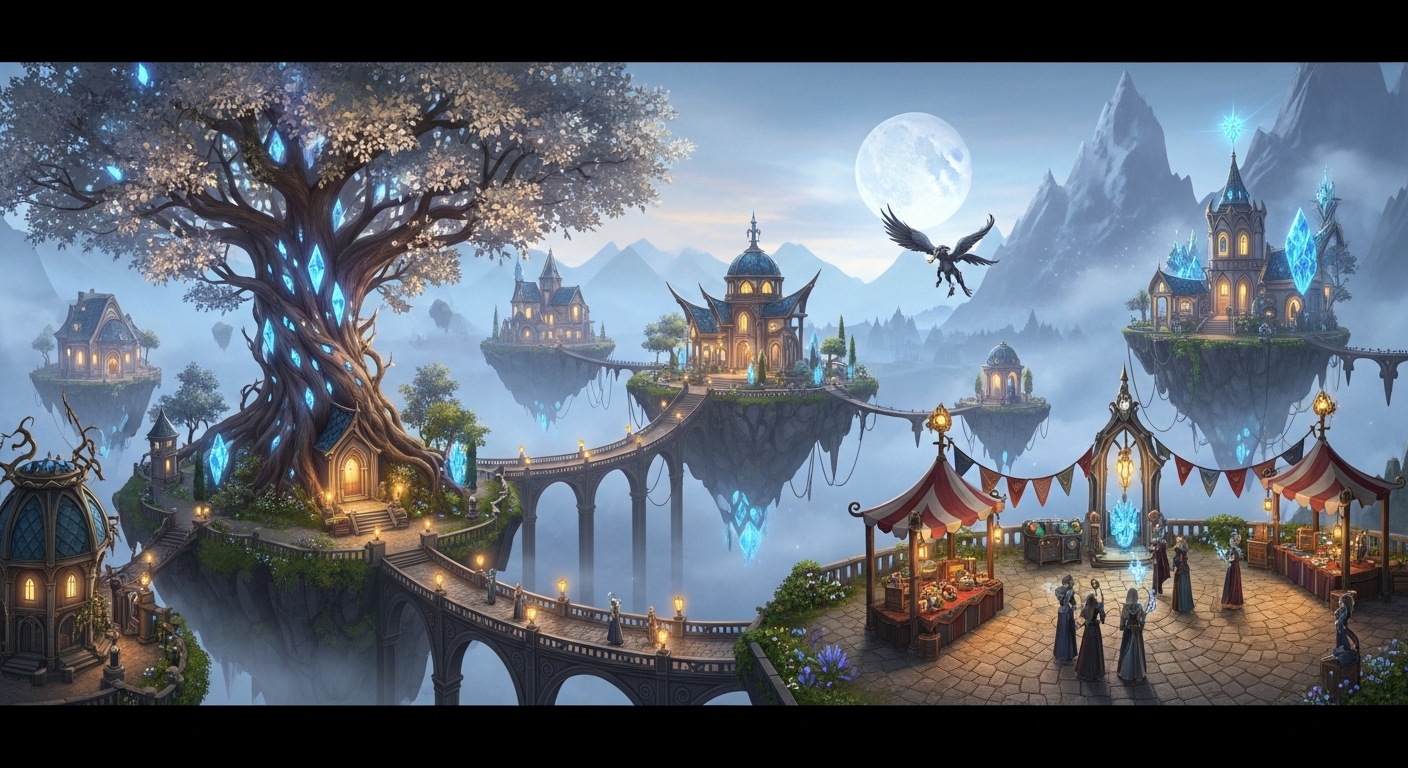
Introduction to Weekly Challenges
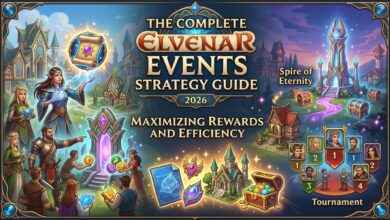
Weekly challenges form the rhythmic heartbeat of Elvenar’s endgame experience, providing structured competitive opportunities that transform the city-building journey from a solitary progression into an ongoing cycle of achievement, strategy, and reward
. These recurring challenges—primarily embodied in the Tournament system but extending to various cyclical events and activities—create regular milestones that give experienced players purpose long after they have mastered the core city-building mechanics
. For dedicated Elvenar players, understanding and optimizing weekly challenge participation represents the difference between casual enjoyment and competitive excellence.
The Tournament system stands as the primary weekly challenge in Elvenar, offering fellowship-based competition where players test their military and economic capabilities against progressively difficult encounters for valuable rewards
. Beyond tournaments, weekly challenges encompass various rotating activities including special event quests, seasonal competitions, and time-limited objectives that keep the gameplay experience fresh and engaging. Together, these systems create a metagame layer that sustains long-term player investment and provides continuous goals even for players who have completed the main storyline content.
This comprehensive guide explores every aspect of weekly challenges in Elvenar, from tournament mechanics and preparation strategies to optimization techniques that maximize rewards and fellowship performance. Whether you are a new player discovering these systems for the first time or a veteran seeking to refine your weekly routine, this analysis provides the knowledge necessary to excel in Elvenar’s cyclical competitive landscape.
The Tournament System: Core Weekly Challenge
Tournament Structure and Mechanics
The Tournament system represents Elvenar’s flagship weekly challenge, running continuously with weekly cycles that reset every Tuesday
. Understanding its structure is essential for effective participation.
Weekly Rotation: Each tournament week features a specific manufactured good type as its theme—Marble, Steel, Planks, Crystal, Scrolls, Silk, or the magical goods (Elixir, Magic Dust, Gems, and others)
. This rotation follows a predictable pattern, allowing players to anticipate upcoming tournament types and prepare accordingly. The themed good determines which province types are featured and influences reward structures.
Province Encounters: Tournament participation involves solving encounters in tournament-specific provinces that appear on the world map alongside regular provinces
. These tournament provinces contain multiple encounter points that can be resolved through combat or negotiation, similar to standard world map expansion but with modified difficulty scaling and reward structures.
Progressive Difficulty: Tournament encounter difficulty scales based on the player’s total number of conquered provinces, creating a direct relationship between expansion history and tournament challenge level
. This scaling means that players who have conquered many provinces face significantly harder tournament encounters than those with more modest expansion. The scaling applies equally to combat and negotiation, affecting both resolution methods.
Star and Points System: Tournament performance is measured through a star system where completing encounters earns stars that contribute to fellowship totals
. Individual players accumulate personal stars, while fellowships combine member contributions for collective rankings. Higher star thresholds unlock progressively better rewards, creating incentive for sustained participation throughout the week.
Tournament Rewards and Incentives
Tournament participation yields substantial rewards that justify the effort and resource investment required for competitive performance
.
Knowledge Points: The primary tournament reward, Knowledge Points (KP) accelerate research progress through the extensive technology tree. Tournament KP rewards scale with star achievement, with maximum rewards requiring significant participation. For advanced players where other KP sources diminish, tournaments become essential for continued technological advancement.
Relics: Tournament success grants relics corresponding to the tournament’s themed good. These relics boost production of that good type, creating compounding benefits where tournament success enhances economic capability for future participation
. Relic accumulation also contributes to overall city development and Ancient Wonder construction.
Special Resources: Various tournaments award special resources including enchantments, instant items, or currencies used in other game systems. These resources provide utility beyond standard production and construction, offering flexibility and acceleration options.
Ranking Rewards: Fellowships compete for server-wide rankings based on collective star totals. Top-ranking fellowships receive additional rewards and recognition that enhance prestige and demonstrate collective capability
. Individual rankings within fellowships can also influence internal status and reward distribution in some fellowship structures.
Fellowship Benefits: Beyond individual rewards, tournament performance contributes to fellowship collective goods and benefits. Strong tournament performance enhances the entire fellowship’s resource base and advancement speed, creating shared incentives for participation.
Tournament Preparation Strategies
Effective tournament participation requires preparation that begins long before the weekly reset
.
Goods Stockpiling: Since tournaments often require negotiation for difficult encounters, maintaining substantial stockpiles of all manufactured goods ensures readiness for any tournament type
. Players should monitor the rotation schedule and emphasize stockpiling the upcoming tournament good while maintaining reserves of others.
Military Readiness: Combat-capable players must maintain trained armies and healthy troop stocks. Tournament combat can deplete forces rapidly, so preparation includes pre-tournament training cycles, barracks efficiency optimization, and potentially the Needles of the Tempest Ancient Wonder for accelerated recovery
.
Scouting and Province Management: Tournament difficulty scales with total conquered provinces, creating strategic tension between expansion and tournament performance
. Some players deliberately limit province conquest to maintain manageable tournament difficulty, while others accept harder tournaments in exchange for expansion benefits. This trade-off requires careful consideration of personal priorities.
Fellowship Coordination: Fellowships should communicate about tournament participation plans, ensuring that members understand which tournament types are priorities and how collective effort will be organized. Some fellowships implement participation minimums or coordinated push days for ranking competitiveness.
Weekly Challenge Optimization
Personal Performance Maximization
Individual players can optimize their weekly challenge performance through systematic approaches that maximize rewards per effort invested.
Efficient Encounter Resolution: Each tournament encounter should be evaluated for optimal resolution method. Easy combat matchups are fought to preserve goods; difficult encounters or unfavorable terrain might be negotiated despite cost; some encounters might be skipped entirely if reward value doesn’t justify resource expenditure
.
Daily Participation Patterns: Tournament stars accumulate across the week, and consistent daily participation typically outperforms sporadic intensive sessions. Spreading effort across multiple days allows resource regeneration, army recovery, and sustained progress without depletion.
Resource Allocation Balance: Tournament participation must be balanced against other resource demands including research, construction, and normal goods production. Over-investing in tournaments can stall city development, while under-investing leaves valuable rewards unclaimed. Finding personal balance points depends on chapter progression, city development priorities, and competitive goals.
Ancient Wonder Synergies: Certain Ancient Wonders enhance tournament performance significantly. The Martial Monastery increases troop health for combat-heavy approaches; the Needles of the Tempest accelerates army recovery; economic wonders support goods-intensive negotiation strategies
. Wonder selection and prioritization should consider tournament implications.
Fellowship Coordination and Team Strategy
Weekly challenges reach their full potential through fellowship coordination that amplifies individual efforts into collective achievement
.
Participation Target Setting: Fellowships should establish clear participation targets based on competitive goals and member capacity. These might range from casual “complete what you can” approaches to competitive “minimum star requirements” for ranking pushes. Clear expectations prevent misunderstandings and ensure aligned effort.
Resource Sharing Systems: Active fellowships implement trade and donation systems that support tournament participation. Members with goods surpluses can support those with shortages; combat-focused players might receive goods from negotiation-focused members in exchange for tournament combat support; collective resource pools can be directed toward high-priority tournament types.
Strategic Tournament Prioritization: Not all tournament types equally suit every fellowship’s composition. Fellowships heavy in certain goods productions might prioritize corresponding tournaments; combat-strong fellowships might emphasize tournaments where fighting is efficient. Recognizing and leveraging these patterns improves collective performance.
Communication and Intelligence Sharing: Fellowships should share information about tournament encounter compositions, efficient resolution methods, and resource requirements. This collective intelligence allows members to prepare appropriately and avoid wasting resources on inefficient approaches that others have already tested.
Time Management and Sustainable Participation
Sustainable weekly challenge participation requires time management that prevents burnout while maintaining competitive effectiveness
.
Session Planning: Rather than attempting all tournament encounters in single marathon sessions, players should plan multiple shorter sessions throughout the week. This approach maintains engagement quality, allows resource and army recovery between sessions, and fits better with real-life scheduling constraints.
Effort Pacing: Tournament weeks vary in difficulty and personal availability. Recognizing when to push hard for maximum stars versus when to accept moderate participation preserves long-term engagement. Not every tournament requires maximum effort; strategic intensity variation maintains sustainability.
Automation and Efficiency: Players should leverage game systems that reduce tournament time requirements. Auto-fight options for easy encounters, pre-positioned armies, and efficient goods production setups minimize the active time required for solid tournament performance.
Real-Life Balance: Weekly challenges should enhance rather than dominate the Elvenar experience. Players must maintain perspective about the game’s entertainment purpose and avoid letting tournament pressure create stress or conflict with other life priorities.
Beyond Tournaments: Other Weekly Challenges
Event Quest Cycles
Beyond the core Tournament system, Elvenar features various cyclical challenges that provide weekly or periodic objectives
.
Seasonal Events: Elvenar runs seasonal events throughout the year—Winter Magic, Spring Blossoms, Summer Solstice, Autumn Zodiac, and others—that introduce weekly quest sequences with unique rewards. These events typically last several weeks, with new quests unlocking on schedules that create weekly participation rhythms.
Event Quest Structures: Weekly event quests often follow patterns of increasing difficulty and reward value. Early week quests are easily completable through normal gameplay; later week quests might require specific actions, resource investments, or time commitments that demand planning and preparation.
Event Currency Accumulation: Many events feature unique currencies earned through quest completion that can be exchanged for valuable prizes. Weekly participation optimization focuses on maximizing currency earnings within available playtime, prioritizing quests with favorable reward-to-effort ratios.
Fellowship Event Coordination: Similar to tournaments, fellowship coordination enhances event performance. Sharing quest requirements, pooling resources for difficult objectives, and coordinating timing for collective benefits amplifies individual participation effectiveness.
Daily Quest Systems
Daily quests provide micro-challenges that accumulate into weekly significance through consistent participation
.
Quest Completion Chains: Daily quests often chain together or contribute to weekly completion bonuses that reward sustained engagement. Missing days breaks chains and reduces overall rewards, creating incentive for consistent daily participation.
Resource Optimization: Daily quests frequently reward resources or items that support other weekly challenges including tournaments. Efficient players recognize these synergies and prioritize daily quests that enhance their broader weekly challenge capability.
Time Investment Efficiency: Daily quests vary in time requirements and reward values. Experienced players quickly identify which quests offer favorable returns and which can be skipped or delayed based on current priorities and availability.
Cyclical Competition Formats
Elvenar occasionally introduces special weekly competition formats that supplement the standard tournament structure
.
Leaderboard Events: Time-limited leaderboard competitions pit players or fellowships against each other for ranking-based rewards. These events create intensive weekly participation windows where competitive players push for maximum performance.
Challenge Weeks: Special challenge weeks might modify standard rules, introduce unique restrictions, or offer enhanced rewards for specific activities. These variations refresh the weekly routine and test player adaptability.
Anniversary and Celebration Events: Major game milestones feature enhanced weekly challenges with superior rewards and special mechanics. These celebration periods represent optimal times for intensive participation and resource investment.
Advanced Weekly Challenge Strategies
Tournament Meta-Game Analysis
Competitive players analyze tournament systems at meta-game levels to identify optimization opportunities
.
Difficulty Scaling Mathematics: Understanding exactly how tournament difficulty scales with province count allows informed decisions about expansion versus tournament performance trade-offs
. Mathematical analysis can identify optimal province counts for specific tournament goals and playstyles.
Reward Efficiency Calculations: Analyzing reward structures reveals which star thresholds offer optimal value per effort invested. Some thresholds might provide disproportionate rewards that justify extra push; others might offer poor returns that suggest stopping points.
Encounter Type Pattern Recognition: Tournament encounters follow patterns based on tournament type and player progression. Recognizing these patterns allows predictive preparation—anticipating which unit types will be needed, which goods will be in demand, and which resolution methods will be most efficient.
Fellowship Composition Optimization: Advanced fellowships might optimize member composition for tournament performance, recruiting players with complementary strengths or specific goods specializations that enhance collective capability.
Multi-Account and Cross-Fellowship Strategies
Sophisticated players extend weekly challenge strategies across multiple characters and fellowships
.
Account Synergy: Players maintaining multiple cities can coordinate their tournament participation, using one city’s strengths to support another’s weaknesses. A combat-focused city might handle fighting-intensive tournaments while a goods-rich city supports negotiation-heavy weeks.
Cross-Fellowship Intelligence: Information sharing across fellowships—encounter compositions, efficient strategies, reward valuations—raises server-wide performance and creates collaborative communities despite competitive structures.
Resource Network Expansion: Multiple accounts in different fellowships expand trade and resource network access, providing goods and support that enhance primary account tournament performance.
Long-Term Weekly Planning
Elvenar veterans implement long-term planning that extends weekly challenge optimization across months and years
.
Tournament Rotation Calendar: Creating personal calendars that track tournament rotations, event schedules, and personal availability allows advance preparation and strategic resource allocation. Knowing that a preferred tournament type approaches allows stockpiling; anticipating busy real-life weeks allows lighter participation planning.
Annual Progression Cycles: Planning city development around weekly challenge implications—prioritizing military research before tournament-intensive periods, building goods stockpiles before challenging tournament sequences, or timing Ancient Wonder construction for tournament benefit—creates compounding advantages over time.
Fellowship Development Roadmaps: Fellowship leaders implement long-term development plans that enhance collective weekly challenge performance through member recruitment, training programs, and infrastructure investment that pays dividends across multiple tournament cycles.
Common Weekly Challenge Pitfalls
Over-Commitment and Burnout
The most common weekly challenge failure mode involves excessive commitment that creates burnout and diminished enjoyment
.
Compulsive Completionism: Feeling obligated to complete every possible tournament encounter or quest regardless of cost or enjoyment creates unsustainable pressure. Players must recognize that missing some content preserves long-term engagement better than perfect completion that leads to quitting.
Resource Depletion Spirals: Pushing too hard in single tournaments can deplete resources needed for subsequent weeks or normal city development. Sustainable participation maintains reserves that support consistent performance across multiple cycles.
Social Pressure Damage: Fellowship pressure for tournament participation can damage social relationships and game enjoyment when expectations exceed member capacity. Healthy fellowships balance competitive goals with member wellbeing.
Under-Preparation and Missed Opportunities
Conversely, inadequate preparation causes missed opportunities and suboptimal performance
.
Last-Minute Rushing: Procrastinating tournament participation until weekly deadlines creates rushed, inefficient play and missed stars due to time constraints. Consistent daily engagement outperforms last-minute cramming.
Resource Scarcity: Failing to maintain goods stockpiles or trained armies forces reliance on suboptimal resolution methods or prevents encounter completion entirely. Preparation gaps directly reduce reward acquisition.
Information Isolation: Playing without fellowship communication or external information sources leads to redundant effort, inefficient strategies, and missed optimization opportunities that coordinated players capture.
Strategic Misalignment
Poor strategic choices undermine weekly challenge effectiveness even with adequate preparation and commitment
.
Expansion-Tournament Mismatch: Excessive province conquest that creates disproportionate tournament difficulty without corresponding capability development produces frustrating experiences where effort yields poor results.
Method Inflexibility: Rigid commitment to either combat or negotiation regardless of encounter specifics wastes resources and reduces star accumulation. Strategic flexibility optimizes performance.
Reward Misvaluation: Pursuing stars or rankings without considering actual reward value leads to effort expenditure that doesn’t justify returns. Clear reward valuation ensures effort aligns with meaningful benefits.
Conclusion
Weekly challenges in Elvenar—primarily embodied in the Tournament system but extending through various cyclical events and activities—provide the structured competitive framework that sustains long-term player engagement and transforms individual city-building into dynamic, goal-oriented gameplay
. These systems create regular milestones that give purpose to ongoing development, fellowship coordination that builds social connections, and competitive outlets that test player skill and strategy against progressively difficult challenges.
Success in weekly challenges requires understanding tournament mechanics and rotation patterns, preparation that includes goods stockpiling and military readiness, optimization of personal performance through efficient encounter resolution, and fellowship coordination that amplifies individual efforts into collective achievement
. Sustainable participation demands time management that prevents burnout while maintaining competitive effectiveness, and strategic thinking that aligns expansion decisions with tournament implications.
For dedicated Elvenar players, weekly challenges represent the endgame content that provides continuous goals long after completing the main storyline. The cyclical nature of tournaments and events creates a living game that remains fresh and engaging through years of play, with each week offering new opportunities for improvement, competition, and fellowship camaraderie. Whether pursuing ranking glory, maximizing resource acquisition, or simply enjoying structured challenges alongside fellowship friends, weekly challenges deliver the ongoing purpose that makes Elvenar a enduring and rewarding gaming experience.