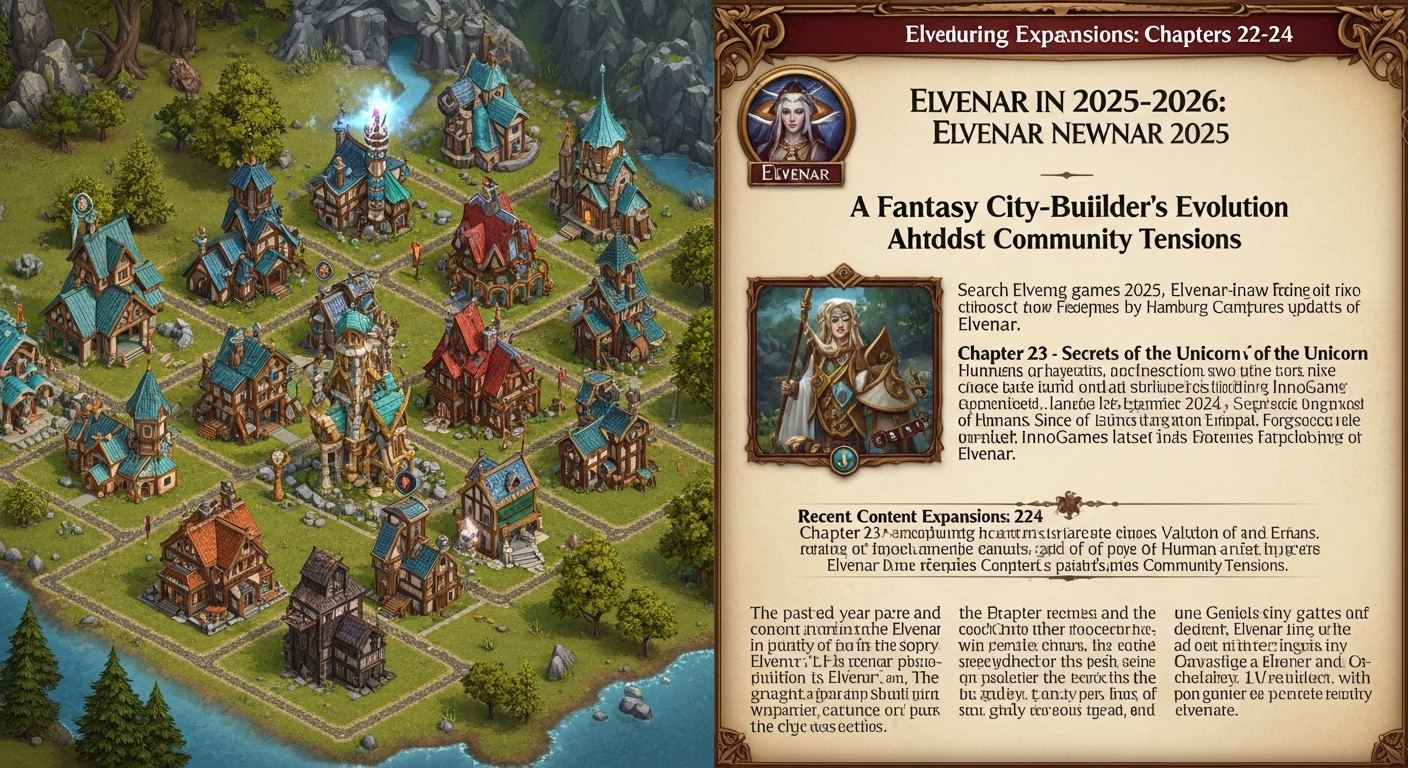
Military might in Elvenar flows from three distinct training facilities, each producing specialized units that dominate different battlefield scenarios. Understanding how to optimize your Barracks, Training Grounds, and Mercenary Camp transforms struggling armies into unstoppable forces capable of conquering tournaments, spires, and world map provinces. This comprehensive guide explores every aspect of military production to accelerate your city’s martial development.
Understanding the Three Military Buildings
Elvenar features a trio of training facilities that unlock progressively through research, each serving distinct strategic purposes
.
The Barracks represents your foundational military structure, available immediately after completing initial research. It produces “generalist” troops—the basic Light Melee, Light Ranged, Heavy Melee, and Mage units that form your army’s backbone
. These units offer balanced performance across various situations without excelling in specific matchups.
The Training Grounds unlocks in Chapter 2 alongside your first specialized unit, the Cerberus
. This facility produces specialized troops including Cerberus, Dryad, Banshee, Orc Warrior, and Orc Strategist—units designed for specific tactical roles rather than general combat
.
The Mercenary Camp becomes available later, offering the game’s most powerful specialized units. For Elves, this means Rangers (superior Light Ranged), Blossom Mages (elite magical units), and Valorian Guards (enhanced Heavy Melee). Humans gain access to Frog Princes (devastating Heavy Ranged) and other premium troops
.
Each building operates independently with separate training queues, meaning you can simultaneously produce nine different unit types across three facilities. Neglecting any single building reduces your total army production by 33%, creating significant long-term disadvantages
.
Barracks Mechanics and Optimization
Your Barracks serves as the primary training facility throughout early chapters, with upgrade paths extending through 42+ levels
. Each upgrade reduces training time and potentially increases available training slots, allowing more simultaneous production queues.
Training Slots represent your production capacity. The Barracks starts with limited slots and gains additional ones as you upgrade, eventually supporting up to 5 simultaneous training queues
. These slots operate independently—when one finishes training, the next begins automatically, creating continuous production chains.
Training Size determines how many units fit in each slot. The base training size of 6 means each slot accommodates units totaling weight 6—six Axe Barbarians (weight 1 each) or one Paladin (weight 6)
. This weight system creates important production considerations: light units train in bulk while heavy units consume entire slots for single squads.
Armories expand your training capacity beyond base limits. Each Armory increases the training size of slots across all military buildings, allowing more units per training cycle
. Strategic Armory placement and upgrades dramatically accelerate army replenishment rates.
From Chapter XXI – The Vallorian Legend onward, Barracks contribute to Prosperity generation—a special requirement for constructing certain chapter buildings
. This adds economic value to military infrastructure, making Barracks upgrades valuable even for primarily peaceful players.
Training Speed vs. Training Size: The Critical Balance
Two distinct mechanics govern troop production efficiency, and understanding their interaction separates expert commanders from novices.
Training Speed determines how quickly units complete training. Higher speed means faster replenishment and shorter queue times. The Needles of the Tempest Ancient Wonder specifically accelerates Barracks training by up to 40%, while Victory Springs (Training Grounds) and Flying Academy (Mercenary Camp) provide similar benefits for their respective facilities
.
Training Size determines how many units you receive per completed training slot. Larger training size means more troops per collection but longer individual training times. The Shrine of Shrewdy Shrooms and Dwarven Bulwark Ancient Wonders increase training size significantly
.
The optimal balance depends on your play schedule. Players checking frequently benefit from high speed and moderate size, enabling multiple daily collections. Players with limited access prefer massive training sizes that sustain overnight production without constant reloading
.
Expert players aim for 10-15 hour total queue times across all slots—long enough to sustain overnight production but short enough to prevent idle time during active play
. Achieving this requires careful coordination between building upgrades, Ancient Wonder levels, and Armory counts.
Unit Specialization and Strategic Deployment
Each military building produces units optimized for specific tactical roles, and understanding these specializations enables battlefield dominance.
Barracks Units serve as generalists. Human Priests (Mages) and Paladins (Heavy Melee) rank among the best barracks troops, with Priests considered the premier mage unit throughout the game
. Elven Treants and Golems provide solid Heavy Melee options, though they generally underperform Human equivalents
.
Training Grounds Units fill tactical niches. Cerberus (Light Melee) excel against mages but suffer from low initiative. Orc Strategists (Heavy Ranged) outperform standard Mortars significantly, making them essential for Human players
. Dryads and Banshees provide specialized magical support, though their fragility limits general utility
.
Mercenary Camp Units dominate competitive play. Rangers (Light Ranged) offer superior range, initiative, and counterattack capabilities compared to standard Archers
. Blossom Mages (Elves) provide the best magical offense available, while Frog Princes (Humans) deliver devastating Heavy Ranged damage
. Valorian Guards give Elves competitive Heavy Melee options despite general racial disadvantages in that category
.
The strategic implication is clear: Mercenary Camp units should comprise your primary fighting force whenever possible, with Barracks and Training Grounds troops filling gaps or providing specific counter-matchups
.
Race-Specific Considerations
Human and Elven military structures produce different units with distinct tactical implications.
Human Advantages: Human Barracks units generally outperform Elven equivalents, particularly Priests (superior mages) and Paladins (better Heavy Melee)
. Human players can delay Mercenary Camp construction longer than Elves, as their Barracks troops remain competitive through mid-game
.
Elven Advantages: Elven Mercenary Camp access becomes critical earlier. Blossom Mages immediately outclass Sorceresses, and Rangers dominate Light Ranged combat
. Elven players should prioritize Mercenary Camp construction as soon as available, even sacrificing Training Grounds temporarily if space-constrained
.
Both races benefit from maintaining all three military buildings eventually. The “build only Barracks” strategy severely limits tactical flexibility and total production capacity, hobbling tournament and spire performance
.
Ancient Wonders and Military Optimization
Several Ancient Wonders dramatically impact military production and effectiveness:
Needles of the Tempest: Essential for any fighting city, this wonder accelerates Barracks training while boosting Light Range unit damage
. Prioritize early construction and steady upgrades.
Flying Academy: The Mercenary Camp equivalent, reducing training time while enhancing Light Melee damage. Critical for Elven players relying on Blossom Mages and Rangers
.
Victory Springs: Training Grounds acceleration with Heavy Melee damage bonuses. Less universally essential but valuable for specific tournament types
.
Simia Sapiens: Considered the best overall military wonder, providing massive training speed increases across all facilities
. Late-game acquisition but transformative impact.
Shrine of Shrewdy Shrooms: Increases training size while producing Archer units. Synergizes with heavy Armory strategies
.
Dwarven Bulwark: Alternative training size booster using squad size rather than Armory levels. Often superior for players with limited Armory investments
.
Martial Monastery/Sanctuary: Increases troop health, reducing battlefield losses and effectively amplifying your total army size through better survival rates
.
Advanced Training Techniques
Queue Management: Maintain continuous production by queuing multiple training slots before collection. When the first slot finishes, immediately add another to prevent idle time
. Set phone timers for Barracks completion when running extended queues
.
Brown Bear Exploitation: The Brown Bear pet doubles troop collection when fed, effectively providing 5-10 bonus squads per activation
. Coordinate feeding with time booster usage—activate the bear, collect massive troop reserves, then use time instants to replenish training queues before the buff expires
.
Time Booster Optimization: Save 5-hour and 2-hour time instants for intensive military pushes. Apply them to Mercenary Camp or Training Grounds specifically when you need specialized troops for upcoming tournaments
.
Temporary Armory Deployment: Place temporary Armories before heavy tournament weeks to boost Shrine of Shrewdy Shrooms effectiveness, then remove them afterward to reclaim space
.
Supply Management and Sustainability
Training troops consumes enormous Supplies, creating economic constraints that limit military development. A city running three military buildings 24/7 requires 8+ fully upgraded Workshops or equivalent supply generation from Ancient Wonders and event buildings
.
Supply optimization strategies:
- Prioritize Workshop upgrades alongside military buildings
- Construct Endless Excavation and Tome of Secrets Ancient Wonders for passive supply generation
- Utilize Prosperity Towers if available in your chapter
- Balance troop production with economic capacity—running all three buildings continuously wastes resources if you cannot sustain the supply drain
Common Military Mistakes
Building Only Barracks: This cripples your tactical options and reduces total production by 66%. All three buildings are essential for competitive play
.
Ignoring Training Grounds: Modern updates made Training Grounds viable, especially for Orc Strategist and Cerberus production. Dismissing this building reflects outdated thinking
.
Neglecting Ancient Wonders: Military wonders provide multiplicative benefits that compound over time. Delaying Needles of the Tempest or Flying Academy construction creates permanent disadvantages.
Over-Specializing: While Mercenary Camp troops are generally superior, situations exist where Barracks or Training Grounds units excel. Maintaining diverse reserves enables optimal tactical responses.
Poor Queue Management: Allowing training slots to sit idle wastes potential production. Check military buildings at least twice daily to maintain continuous queues.
Conclusion: The Path to Military Mastery
Barracks mastery in Elvenar requires understanding that military power flows from three distinct sources, each requiring investment and optimization. Your Barracks provides foundational generalists, the Training Grounds offers tactical specialists, and the Mercenary Camp delivers elite units that dominate competitive content.
Success demands balancing training speed and size through Ancient Wonder selection, maintaining continuous production queues, and managing the supply economy that sustains your war machine. Race-specific considerations guide build priorities—Humans enjoy superior Barracks troops while Elves depend earlier on Mercenary Camp access.
Leave a Reply