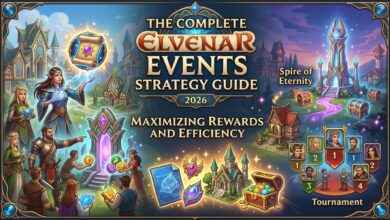
A comprehensive guide to mastering the early game and establishing a thriving city in InnoGames’ popular city-building strategy game.
Introduction
Elvenar is a captivating fantasy city-building game where players can choose between two distinct races—Elves or Humans—to construct and manage their own magical kingdom. Unlike many city builders that focus primarily on combat, Elvenar emphasizes strategic resource management, careful city planning, and diplomatic trading. Whether you’re drawn to the ethereal beauty of elven architecture or the sturdy practicality of human settlements, success requires understanding core mechanics from day one. This guide will walk you through the essential strategies every beginner needs to know to build a prosperous city without wasting precious resources or time.
Choosing Your Race: Elves vs. Humans
The first and most significant decision you’ll make is selecting your race. This choice affects your city’s appearance, military units, and overall gameplay experience
.
Elves offer magical, nature-inspired aesthetics with buildings adorned with flowers and organic elements. They have slightly more space-efficient buildings and superior culture bonuses, making them ideal if you prioritize visual appeal and cultural development
.
Humans feature industrial, medieval-style architecture with sturdier, practical designs. According to experienced players, humans have superior military units from the very beginning—particularly their Priests (mage units) and Paladins (heavy melee)—making them the recommended choice for competitive players who want to participate in tournaments and fellowships
. Humans also produce more goods per building, though their structures tend to be bulkier
.
The good news? You can explore both races on different game servers, so don’t stress too much about your initial choice
.
The Foundation: Your First Buildings
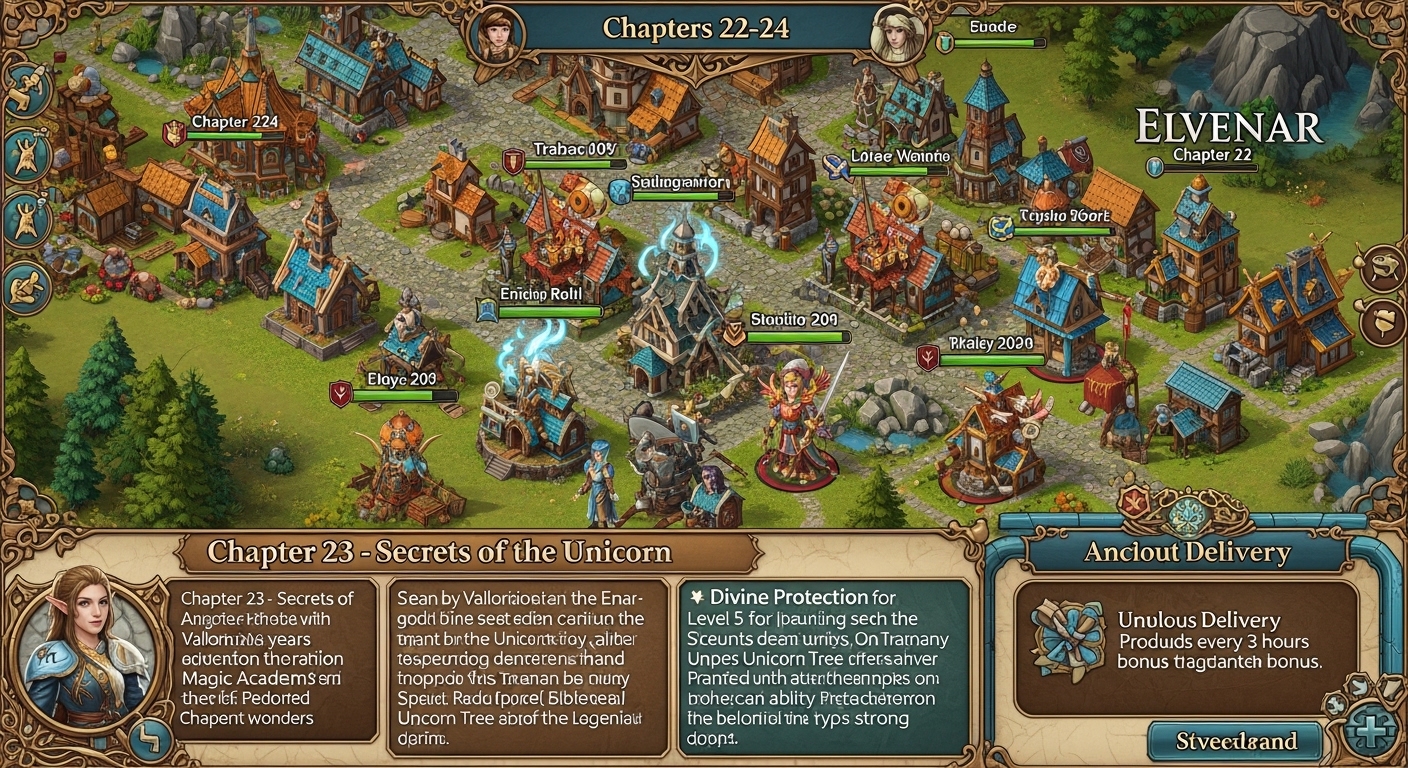
When you begin, your city consists of just two structures: the Main Hall and the Builder’s Hut. The Main Hall serves as the heart of your city, determining how many coins and supplies you can store, how much population you can support, and your overall productivity
. Prioritize upgrading this building whenever possible, as increased storage capacity allows you to accumulate resources for larger projects.
Your Builder’s Hut controls how many simultaneous construction projects you can manage. Initially, you can work on two buildings at once. While upgrades require premium Diamonds later in the game, early levels are free and essential for rapid development
.
Critical early buildings to construct:
- Residences: Build at least eight residences immediately. These provide your population and generate coins through taxes. Without adequate housing, you cannot support other buildings .
- Workshops: These produce supplies—the second essential resource needed for construction, upgrades, and military training. Balance your workshops with residences to maintain steady supply production .
- Manufactories: Once available, focus on producing one of the three standard goods: Marble, Steel, or Planks. Check your Main Hall to see which resource receives a production boost from relics in your surrounding provinces, then concentrate on that single resource .
Mastering Resource Management
Elvenar operates on several interconnected resource systems that beginners must understand:
Coins and Supplies form your basic economy. Coins come from residences and can be collected by clicking on them (or dragging across multiple buildings for efficiency)
. Supplies are produced in workshops and consumed by virtually every action in the game. Never let these resources max out—use the Wholesaler to convert excess coins or supplies into goods when you’re nearing capacity
.
Culture Points determine your city’s happiness and productivity bonus. Place cultural buildings strategically—they don’t require road connections, so position them at your city’s edges to save valuable space
. Aim for 140-170% happiness; reaching 200% on your own wastes too much space when neighborly help can provide that bonus instead
.
Knowledge Points (KP) are earned hourly and used for research. Never log off with unspent KP—accumulate them to a maximum of 10, then invest them in your technology tree
. Scouting provinces also awards KP, making exploration doubly valuable.
Goods Production becomes crucial as you advance. Focus exclusively on your boosted resource (indicated by relic icons around your city on the world map) and trade for other goods using the Trader feature
. Building all three manufactories wastes space; specialization and trade are more efficient.
The Power of Quests
Storyline quests serve as your tutorial and primary source of early rewards. These guided objectives teach game mechanics while providing coins, supplies, and even premium Diamonds
. Complete these quests diligently—they often unlock new buildings, technologies, and expansion opportunities.
Additionally, you’ll encounter repeatable side quests that can be declined if unfavorable. These loop continuously, so skip any that demand resources you cannot spare and return to them later when conditions improve
.
World Map Strategy: Scout, Expand, Conquer
Exploration is fundamental to growth. Scouting neighboring provinces reveals other players for trading, uncovers relics that boost your production, and ultimately provides city expansions
. Each completed encounter typically awards one Knowledge Point and one relic.
Key exploration tips:
- Scout as much as your coin reserves allow—more neighbors mean better trading opportunities without the 50% trader penalty .
- Focus on provinces containing relics matching your boosted production first.
- Every six relics of a specific type provide a significant percentage boost to that resource’s production .
- City expansions require completing progressively more provinces (one for the first, two for the second, three for the third, etc.) .
Neighborly Help and Trading
Elvenar’s multiplayer elements distinguish it from solo city builders. Visit discovered neighbors regularly to “motivate” their buildings—this provides them with production bonuses while rewarding you with additional coins and supplies
. Many players indicate their preferred building type in their city name (e.g., “Culture please!” or “Polish please!”), so pay attention to these requests.
The Trader allows you to exchange your surplus goods for resources you lack. Early trading helps you build diverse stockpiles quickly
. When posting trade offers, consider offering 25-50% more than the standard rate if you’re struggling to find takers—this small premium often accelerates transactions significantly
.
Military and Combat Basics
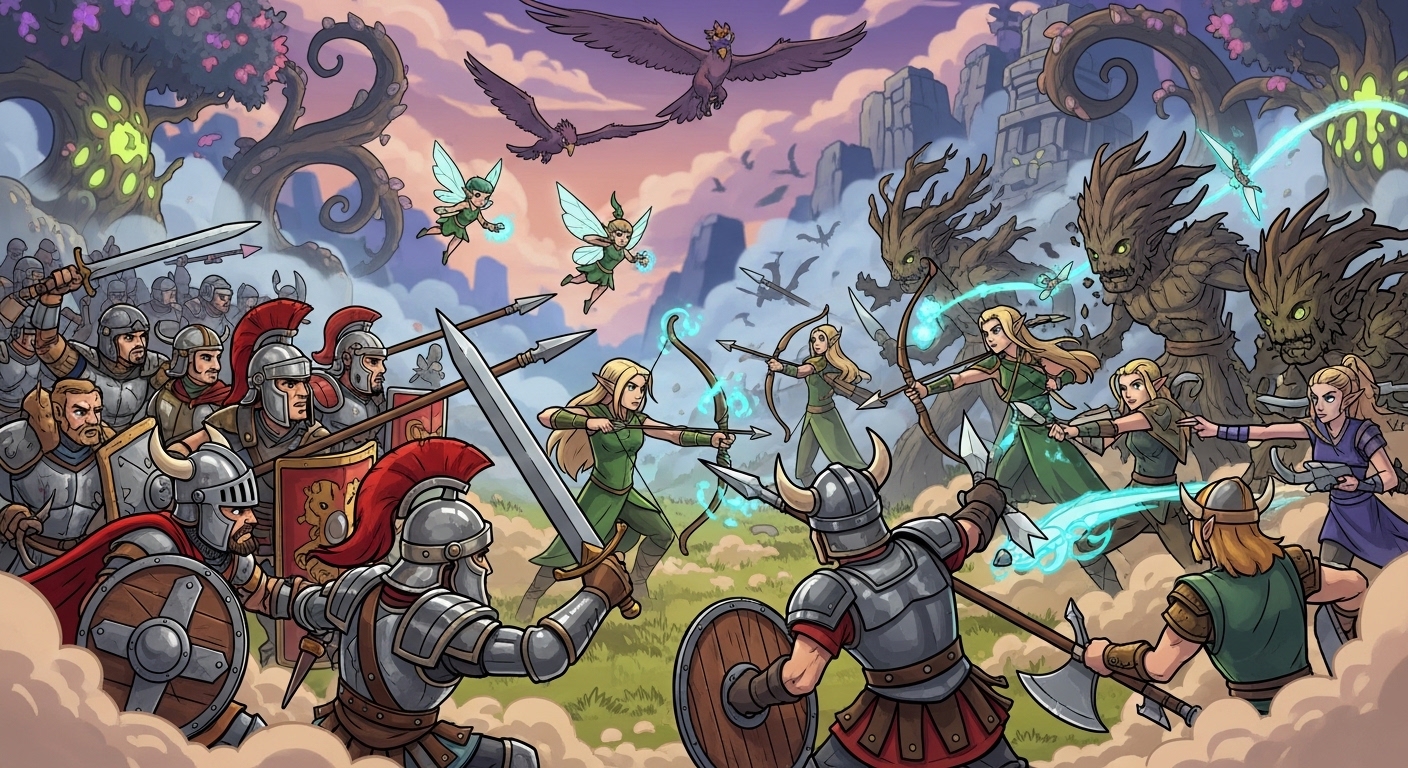
While you can negotiate through encounters using goods, military strength becomes essential for tournaments and efficient progression. Combat in Elvenar follows specific rules that beginners must understand:
- Units deal full damage regardless of how many individuals remain in a squad—always finish off enemy stacks completely .
- Use terrain obstacles to limit how many enemies can attack you simultaneously.
- You can enter battle, examine the terrain, and retreat without penalty—use this to scout difficult encounters .
Build Armories to increase your training queue capacity, but balance their number with how frequently you check the game. Two armories suffice for active players who check multiple times daily; four may be needed for those who play less frequently
.
Long-Term Planning and Building Upgrades
Every building in Elvenar can be upgraded, but higher tiers often increase in size. For example, elven residences grow from 2×2 (basic) to 2×3 (advanced) to 3×3 (superior)
. Plan your city layout with future expansion in mind, leaving flexible spaces for these inevitable growth spurts.
When scheduling upgrades, prioritize longer construction times before periods of absence. Town Hall and Barracks upgrades take the longest, making them ideal overnight projects, while residences and workshops complete relatively quickly
.
Common Beginner Mistakes to Avoid
- Building all three manufactories: Specialize in your boosted resource and trade for others .
- Neglecting culture: While you shouldn’t over-invest, maintaining adequate happiness boosts production significantly .
- Wasting instants: These time-saving items are precious and cannot be purchased—reserve them for emergencies .
- Ignoring the storyline: Quest rewards provide crucial early acceleration .
- Poor road planning: Every production building requires street connection except cultural structures—plan efficient road networks to maximize usable space .
Conclusion
Success in Elvenar comes from balancing immediate needs with long-term vision. Focus on completing storyline quests, specializing in one manufactured good, maintaining neighborly relationships, and planning your city layout for future expansion. Whether you choose the magical elegance of the Elves or the industrial might of the Humans, these foundational strategies will set you on the path to building a legendary fantasy realm. Remember that Elvenar rewards patience—set long production cycles when away, check in regularly to collect and reinvest resources, and watch your humble settlement transform into a magnificent empire.